
Cladding Materials Library
The Cladding Materials Library comprises an extensive database of cladding materials based on their composition and flammability as individual components, and which may be used to perform hazard analyses.
The database is a tool for qualified engineers to enable an adequate fire hazard identification and quantification of the potential fire spread of cladding materials.
The flammability of cladding materials (aluminium composite panels, insulation, and any other materials such as sarking) is defined based on well-established testing frameworks widely accepted in the fire safety engineering community. These frameworks have been applied and peer reviewed within the scope of fire research studies on the fire performance of aluminium composite panels and insulation materials at The University of Queensland and the University of Edinburgh.
The University of Queensland provides the following materials as an informational resource developed in collaboration with the Department of Housing and Public Works, to support fire engineers in cladding fire safety analysis, subject to the disclaimer below.
The database below allows you to filter materials based on:
- Testing protocol.
- Type of material.
- Compounds or elements.
The use of data extracted from this database requires a thorough understanding of the Cladding Materials Library framework. The use of the Cladding Materials Library for other purposes than those indicated in the framework document are discouraged. The University of Queensland and the Department of Housing and Public Works disclaims all liability for any losses or damages arising from your access to use any material or part thereof from this website.
Users are required to use the following reference to cite the Cladding Materials Library:
McLaggan, Martyn S., Hidalgo, Juan P., Osorio, Andres F., Heitzmann, Michael, Carrascal, Jeronimo, Lange, David, Maluk, Cristian and Torero, Jose L. (2019). Cladding Materials Library. Data Collection. https://doi.org/10.14264/uql.2019.441
About
Context
The University of Queensland, in collaboration with the Non-Conforming Building Products (NCBP) Audit Taskforce in the State of Queensland, have proposed a framework to provide a robust methodology to assess the fire hazard of cladding materials in existing buildings based on a thorough understanding of the relevant fire phenomena.
To enable this, a comprehensive database (Cladding Materials Library) with relevant fire performance criteria to assist the fire safety engineering community has been developed. The methodology is not intended to determine if any specific façade design is safe. It is intended to provide the data necessary for a competent fire safety engineer to conduct the analysis required to determine the safety of a façade system corresponding to a specific set of materials, a specific configuration and a specific building context.
The Cladding Materials Library is to be used within the context of the following framework:
- The risk that products pose to the life safety of building occupants (including emergency services personnel) is determined by (i) the potential external fire spread through the building façade system and (ii) the response of the fire safety strategy of the building to this event.
- This risk is to be established by competent fire safety engineers, who shall (i) identify (quantify to the extent and precision possible) the fire spread rate and the contribution of the façade fire to the onset of internal fires and (ii) identify the vulnerabilities of the current fire safety strategy of the building to such an event. Upon the completion of that assessment, the competent fire safety engineer shall propose remedial works (where necessary) so that the life safety of building occupants is guaranteed with adequate engineering safety margins.
- The competent fire safety engineer must be provided with tools and data to enable the quantification of the performance of a façade system under fire conditions. These data must include the performance of materials and systems in a quantitative manner, rather than based on a pass-fail (compliance) framework. It should be noted that if a compliance framework is to be followed, a conservative solution based on a non-combustibility criterion should be provided, as implicitly stated by prescriptive code-based solutions.
- In order to develop data and tools to inform the competent fire safety engineer, there are two possible approaches:
- A material data approach that, if thoroughly developed, is a cost-effective path that allows understanding of the individual performance of the components based on fundamental principles. However, the extrapolation of these data to a system behaviour must be done with extreme care.
- A system data approach that allows understanding of the macroscopic performance of the system under specific conditions, without necessarily establishing a good understanding of the fundamental behaviour of its components. This is a costly approach and is limited by the validity of the testing scenario, the establishment of sufficient detailing of the system to enable extrapolation of the results, and the use of adequate and sufficient instrumentation to allow a good interpretation of the behaviour.
- Given the lack of public research and available data in this area, combined with the unidentified number of different cladding systems and materials in existing buildings, a material data approach, while more conservative in nature, is the preferred approach. A comprehensive database is urgently required to assist the fire safety engineering community. The database can complement the interpretation of tests focused on a system data approach.
Aim
The Cladding Materials Library comprises an extensive database of cladding materials based on their composition and flammability as individual components, and which may be used to perform hazard analyses. The database is a tool for qualified engineers to enable an adequate fire hazard identification and quantification of the potential fire spread of cladding materials.
The flammability of cladding materials (aluminium composite panels, insulation, and any other materials such as sarking) is defined based on well-established testing frameworks widely accepted in the fire safety engineering community. These frameworks have been applied and peer reviewed within the scope of fire research studies on the fire performance of aluminium composite panels and insulation materials at The University of Queensland and the University of Edinburgh.
Protocols for the Cladding Materials Library
The Cladding Materials Library project has developed a series of reference documents (protocols) necessary to fully comprehend the scope of the data provided within this website. These reference documents are published in The University of Queensland's institutional repository (UQ eSpace) and are freely accessible.
Part I: Framework [status: published - available online]
This document provides a review of the fire safety issues involving combustible cladding and an extended overview of the framework developed for the Cladding Materials Library. The different testing protocols (screening and detailed) that this framework is based on are explained in detail.
Cite this document as:
Hidalgo, Juan P., McLaggan, Martyn S., Osorio, Andrés F., Heitzmann, Michael, Maluk, Cristián, Lange, David, Carrascal, Jerónimo and Torero, José L. (2019). Protocols for the Cladding Materials Library – Part I: Framework. Fire Safety Engineering Research Group, UQMLCM2019-01, School of Civil Engineering, The University of Queensland. https://espace.library.uq.edu.au/view/UQ:733236
Part II: Sample preparation and testing methodologies [status: published - available online]
This document highlights the process required for preparing the samples in order to carry out the different tests that the screening testing and the detailed testing protocols are based on.
Cite this document as:
McLaggan, Martyn S., Hidalgo, Juan P., Osorio, Andres F., Heitzmann, Michael, Carrascal, Jeronimo, Lange, David, Maluk, Cristian and Torero, Jose L. (2019). Protocols for the Cladding Materials Library – Part II: Sample Preparation and Testing Methodologies. Fire Safety Engineering Research Group, UQMLCM2019-02. School of Civil Engineering, The University of Queensland. https://espace.library.uq.edu.au/view/UQ:e4fe2d0
Part III: Sensitivity studies [status: published - available online]
This document provides a series of calibration and sensitivity studies carried out throughout the project for the screening testing protocol.
Cite this document as:
Heitzmann, Michael, McLaggan, Martyn S., Hidalgo, Juan P., Osorio, Andrés F., , Maluk, Cristián, Lange, David, Carrascal, Jerónimo and Torero, José L. (2019). Protocols for the Cladding Materials Library – Part III: Sensitivity studies. Fire Safety Engineering Research Group, UQMLCM2019-03, School of Civil Engineering, The University of Queensland. https://espace.library.uq.edu.au/view/UQ:1d87ca0
Part IV: Use and interpretation [status: published - available online]
This document provides a series of guidelines on an adequate use and interpretation of the Cladding Materials Library.
Cite this document as:
Hidalgo, Juan P., McLaggan, Martyn S., Osorio, Andrés F., Heitzmann, Michael, Maluk, Cristián, Lange, David, Carrascal, Jerónimo and Torero, José L. (2019). Protocols for the Cladding Materials Library – Part IV: Use and Interpretation. Fire Safety Engineering Research Group, UQMLCM2019-04, School of Civil Engineering, The University of Queensland. https://espace.library.uq.edu.au/view/UQ:0aec94c
Continuous Professional Development opportunities
If you want to learn more about the Cladding Materials Library (its philosophy, development, and use), The University of Queensland and the Department of Housing and Public Works have developed continuous professional development (CPD) programmes where dedicated sessions on the Cladding Materials Library are provided.
CPD for engineers
The University of Queensland, in collaboration with the University of Edinburgh and University College London, has developed a 5-day CPD course on 'External Fire Spread Risk in Tall Building Design' for engineers. The purpose of this course is to provide practising engineers with the specialist knowledge to address the fire safety strategy of buildings and understand the implications of using cladding products capable of supporting external flame spread.
CPD for building professionals and building certifiers
The Department of Housing and Public Works and The University of Queensland have developed a 2-day CPD course to provide building certifiers and other industry professionals with the specialist knowledge to understand the key principles regarding building fire safety strategy, façade design and the interactions between a façade and the building in the event of a fire involving the external wall of a building. In addition, the course gives practitioners a full understanding of the application of the National Construction Code (NCC) and Queensland Building Regulation 2006 cladding requirements.
Use and Interpretation of the Cladding Materials Library
The data presented on this website must be used with extreme care by qualified engineers. A few guidelines are provided below regarding an adequate use and interpretation of the Cladding Materials Library data. Thes guidelines are provided in the reference document Part IV: Use and Interpretation of the Cladding Materials Library.
Information provided in the Cladding Materials Library
- The screening testing protocol provides a characterisation of a chemical fingerprint (uniqueness) of the material. This characterisation requires a robust assessment based on the chemical composition identification (A) and the thermal decomposition (B).
- The detailed testing protocol extends from the characterisation of the uniqueness of the material (i.e. screening) to further provide a thorough characterisation of the flammability of the material (not a system). This characterisation requires a robust assessment based on the protocols A to F.
- In isolation, the screening, i.e. material identification (A) and thermal decomposition (B), do not provide a comprehensive characterisation of the flammability of the material.
Identification of flammability of an unknown material sample through a cross-referencing approach with the Cladding Materials Library
- The Cladding Materials Library contains both materials that have been tested using the screening testing protocol alone as well as through the full detailed testing protocol.
- In order to develop an identification of the flammability from an unknown material using the Cladding Materials Library framework, a cross-referencing process shall be applied. The cross-referencing process consisting of these steps:
- Conduct a characterisation of the chemical fingerprint (uniqueness) of the studied sample through a screening testing protocol (A - material identification and B - thermal decomposition). Attempting solely a material identification is insufficient and discouraged for use and comparison with the Cladding Materials Library.
- Search for a match of the screening data in the Cladding Materials Library.
- Based on the material identification (A) and the thermal decomposition (B), identify whether there is a good match between the Cladding Materials Library and the studied sample.
- If an exact match is identified with the Cladding Materials Library, qualified engineers can use the detailed testing data (flammability characterisation) from the Cladding Materials Library for an engineering analysis.
- If no exact match is identified and similar materials are identified, qualified engineers can still make use, if appropriate, of similar test data for an engineering analysis.
- If no exact match and there are no similar materials in the Cladding Materials Library, further testing (detailed testing) shall be conducted to characterise the flammability of the material for an engineering analysis.
Limitations
- The data from detailed testing protocol in the Cladding Materials Library provides a fundamental flammability assessment of materials, not of systems.
- The behaviour of materials in a system would be dependent on the interactions among different components and the nature of the thermal conditions encountered.
- The data reported in the Cladding Materials Library was obtained by removing all forms of encapsulation. Most products are a combination of materials, which present a challenge for fire testing methods because the ultimate flammability of a system will be a complex combination of different material behaviour.
- The Cladding Materials Library provides relevant data that serves the qualified engineer to develop scaling-up protocols but also support extrapolation exercises that allow the use existing scenario tests (e.g. AS 5113) to fully understand the behaviour of complex systems. Scaling-up is an extremely complex process, and thus the use of the Cladding Materials Library for this purpose requires a qualified engineer.
- Medium- and large-scale system testing is recommended to demonstrate the performance under a specific scenario. The data in the Cladding Materials Library complements the assessment and analysis of the fire engineer.
How to cite the Cladding Materials Library database?
Users are required to use the following reference to cite the Cladding Materials Library:
McLaggan, Martyn S., Hidalgo, Juan P., Osorio, Andres F., Heitzmann, Michael, Carrascal, Jeronimo, Lange, David, Maluk, Cristian and Torero, Jose L. (2019). Cladding Materials Library. Data Collection. https://doi.org/10.14264/uql.2019.441
Testing protocol
| Testing protocol | Type of material | Testing Protocol Codes |
|---|---|---|
| Detailed | Core aluminium composite panel | ACP01, ACP02, ACP03, ACP04, ACP05, ACP06‑S1, ACP07, ACP09, ACP10, ACP11, ACP15, ACP22 |
Insulation material | ||
Metal sheet | N/A | |
Sarking | SRK01‑S1 | |
Other materials | ||
| Screening | Core aluminium composite panel | ACP12, ACP14, ACP16, ACP17, ACP18, ACP19, ACP20, ACP21, ACP23, ACP24, ACP27, ACP28, ACP29, ACP30, ACP31, ACP32 |
Insulation material | INS07, INS08, INS09 | |
Metal sheet | DIS01, DIS02, DIS03, DIS04, DIS06, DIS07, DIS08 | |
Sarking | SRK01‑S2, SRK02‑S1, SRK02‑S2, SRK03‑S1, SRK03‑S2, SRK04‑S1, SRK04‑S2, SRK05‑S1, SRK05‑S2, SRK07‑S1, SRK07‑S2, SRK08‑S1, SRK08‑S2, SRK11‑S1, SRK11‑S2, SRK14, SRK16 | |
Other materials | SRK08‑S2, SRK11‑S1, SRK11‑S2, SRK14, SRK16 |
Core of aluminium composite panel (1-10)
ACP01
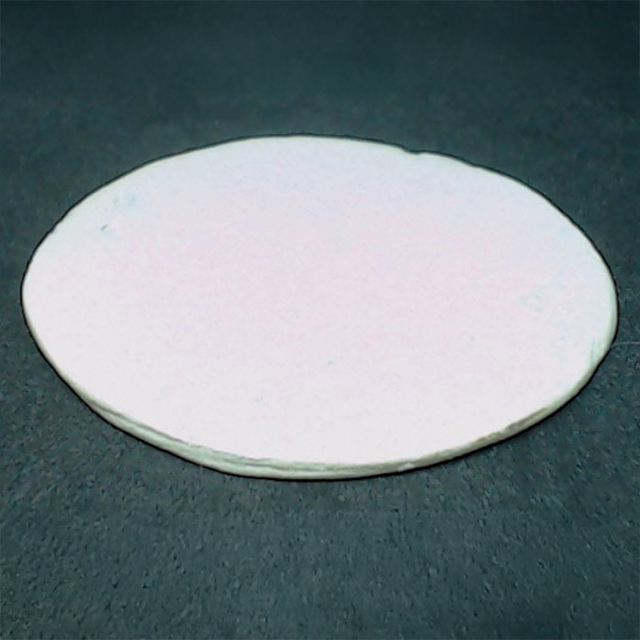
Aluminium composite panel with a predominantly inorganic core.
ACP02

Aluminium composite panel with a core consisting of ethylene-vinyl acetate (EVA) and a fire retardant.
ACP03
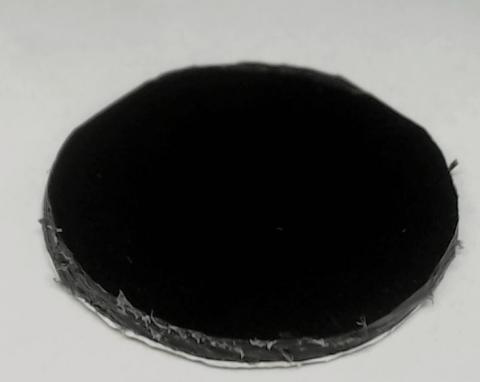
Aluminium composite panel with a core consisting of polyethylene (PE).
ACP04

Predominantly organic composition rich in aromatics, such as cellulose-based and/or phenolic polymers.
ACP05
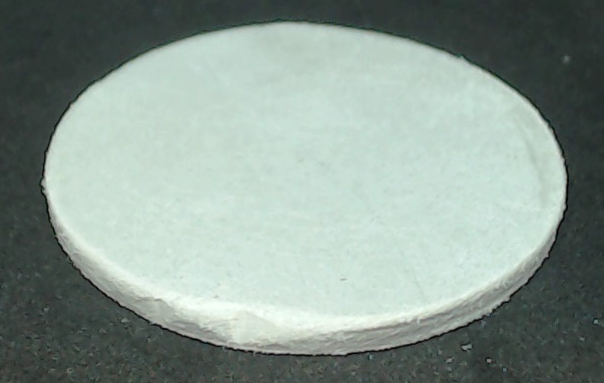
Aluminium composite panel with a core consisting of polyethylene modified with vinyl acetate (PE-VA) and a fire retardant.
ACP06-S1
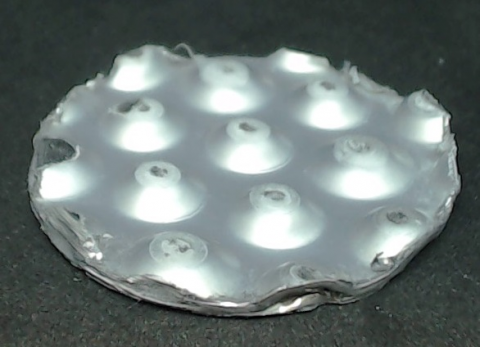
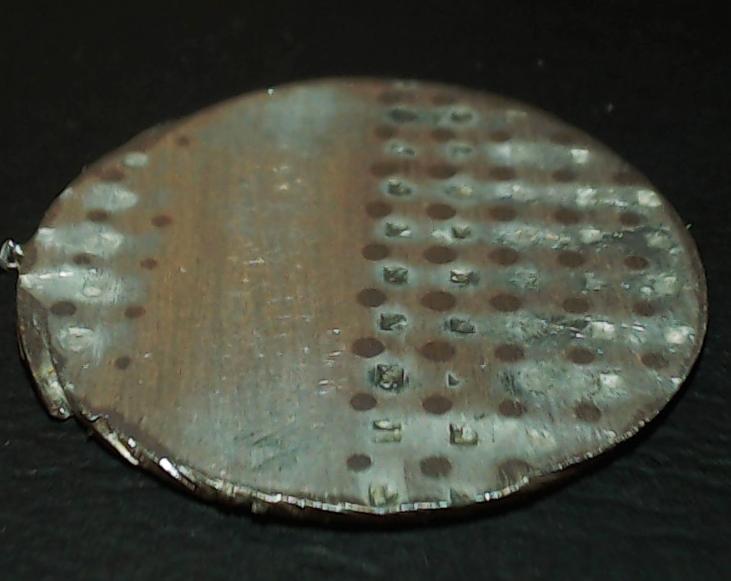
Aluminium composite panel consisting of an egg-box core with polymer adhesive on both sides - S1 - profiled side.
ACP06-S2
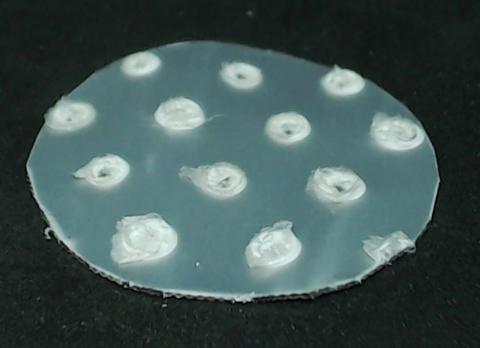
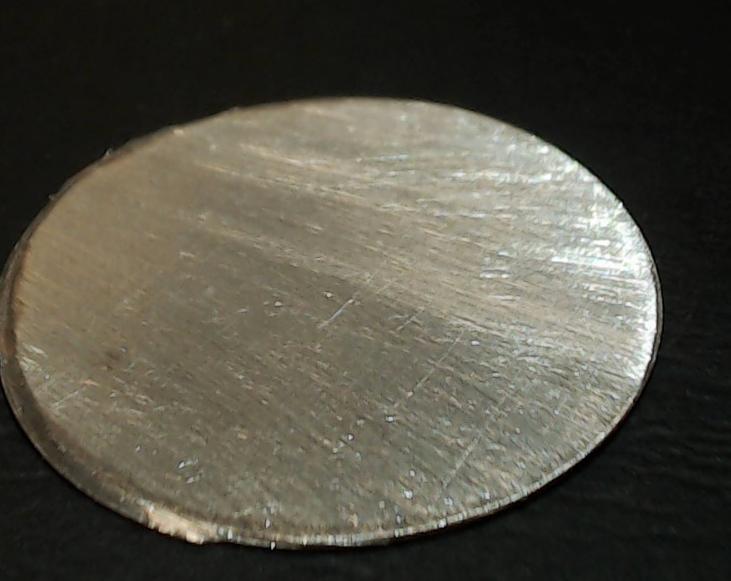
Aluminium composite panel consisting of an egg-box core with polymer adhesive on both sides - S2 - flat side.
ACP07
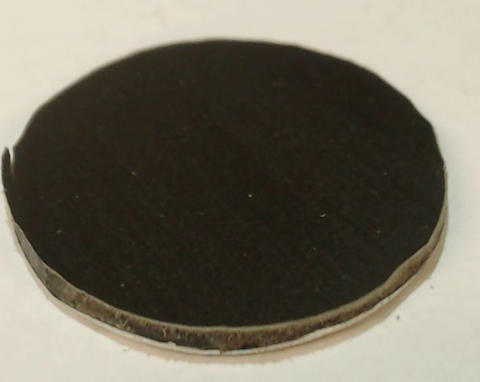
Aluminium composite panel with a core consisting of polyethylene (PE) and an inorganic filler.
ACP09
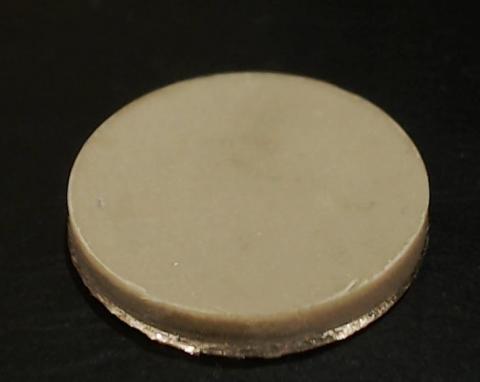
Aluminium composite panel with a core consisting of polyethylene (PE) modified with vinyl acetate (VA) and a fire retardant.
ACP10
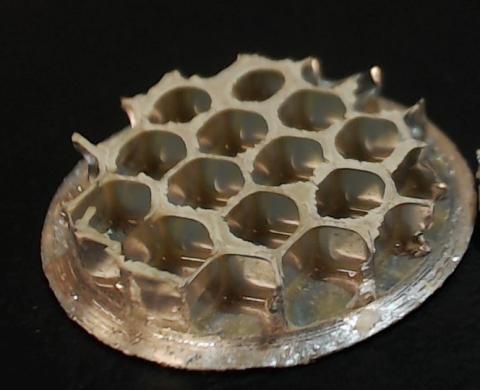
Aluminium composite panel with a core consisting of an aluminium foil honeycomb structure connected with a polyurethane-based adhesive containing an inorganic filler.
Core of aluminium composite panel (11-20)
ACP11
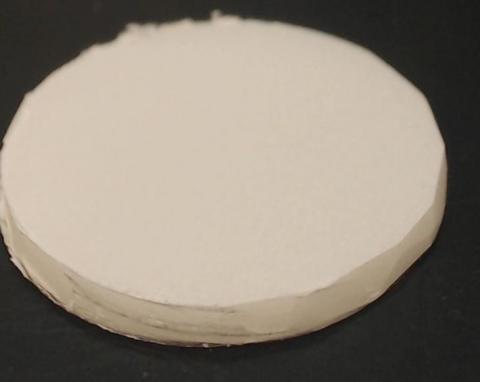
Aluminium composite panel with a core consisting of polyethylene (PE) and a fire retardant.
ACP12
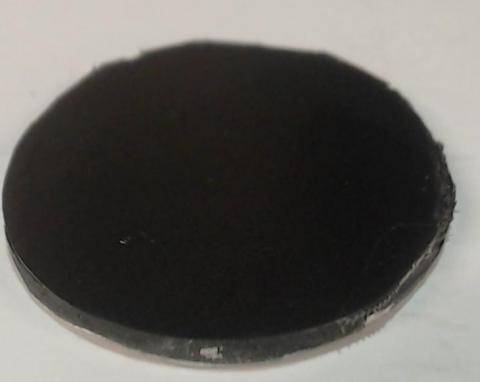
Aluminium composite panel with a core consisting of polyethylene (PE) and inorganic fillers.
ACP14
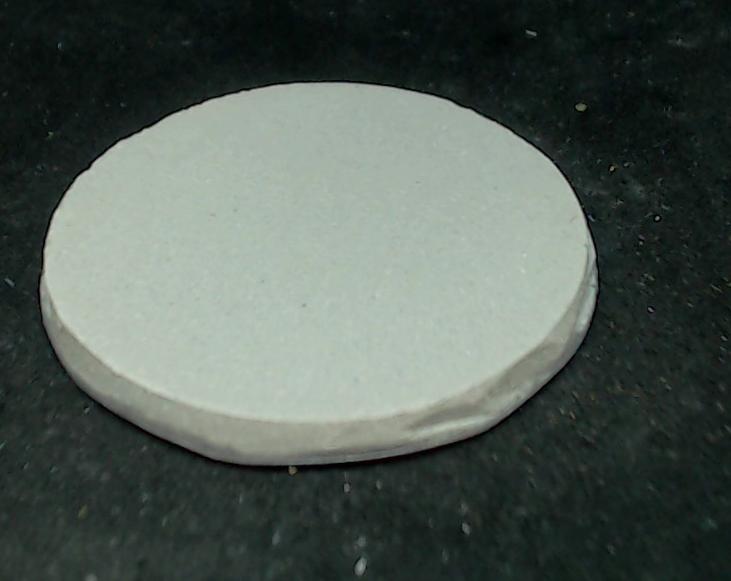
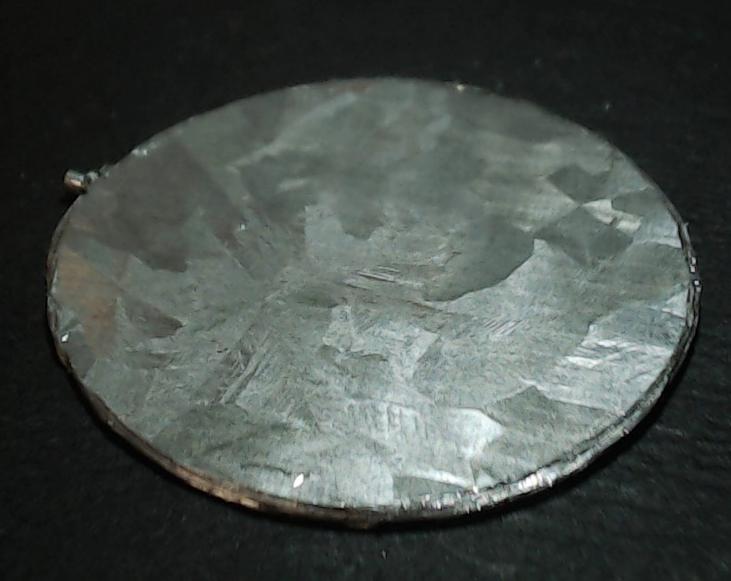
Zinc composite panel with a core consisting of polyethylene (PE) and fire retardants.
ACP15
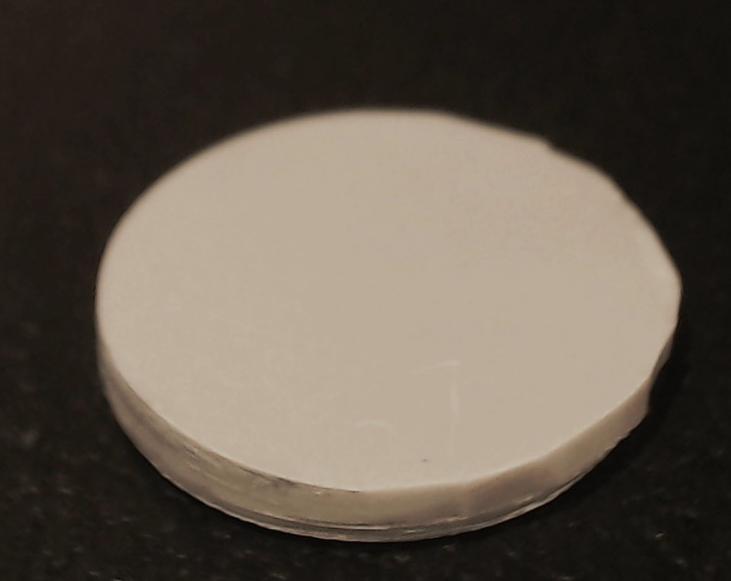
Aluminium composite panel with a core consisting of polyethylene modified with vinyl acetate (PE-VA), a fire retardant, and an inorganic filler.
ACP16
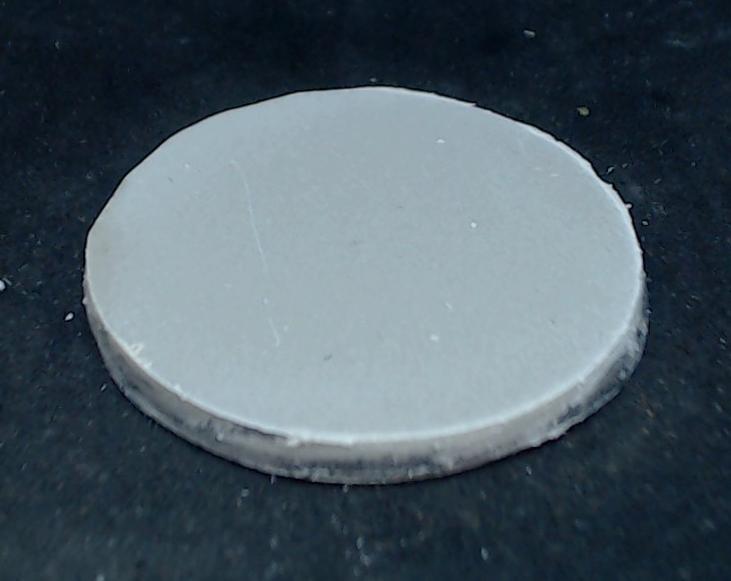
Aluminium composite panel with a core consisting of polyethylene modified with vinyl acetate (PE-VA) and a fire retardant.
ACP17
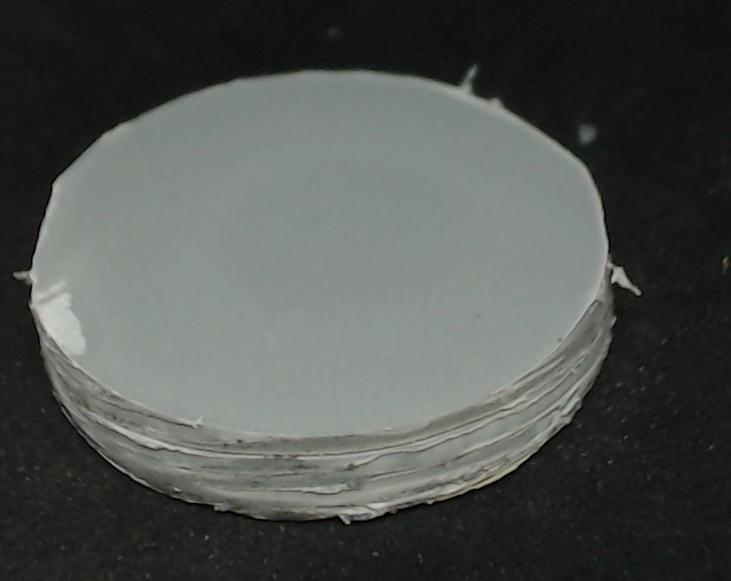
Aluminium composite panel with a core consisting of polyethylene (PE) and fire retardants.
ACP18
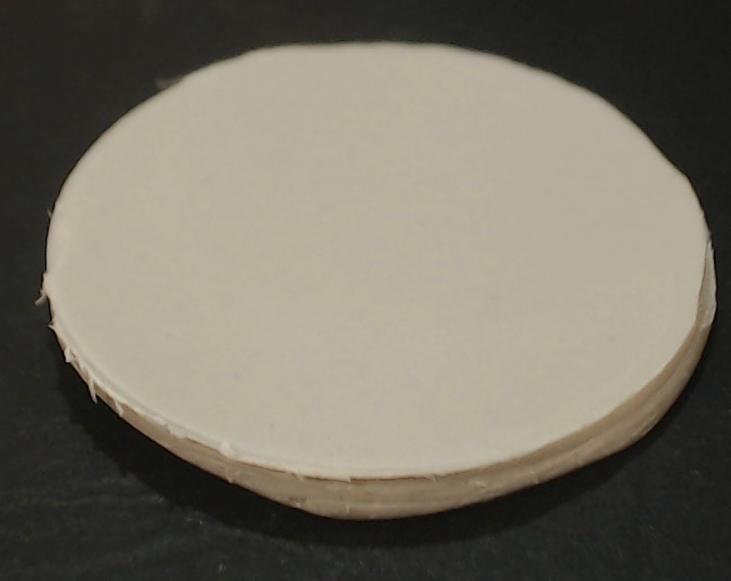
Aluminium composite panel with a core consisting of polyethylene modified with vinyl acetate (PE-VA) and a fire retardant.
ACP19
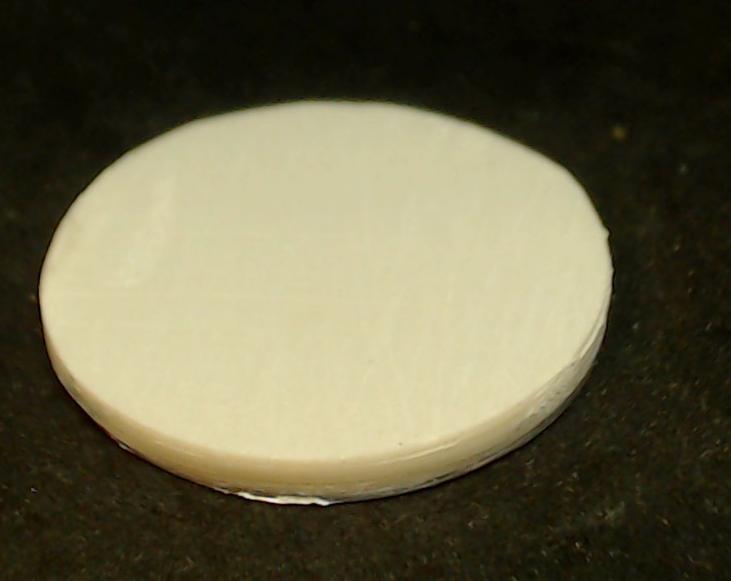
Aluminium composite panel with a core consisting of ethylene-vinyl acetate (EVA) and fire retardants.
ACP20
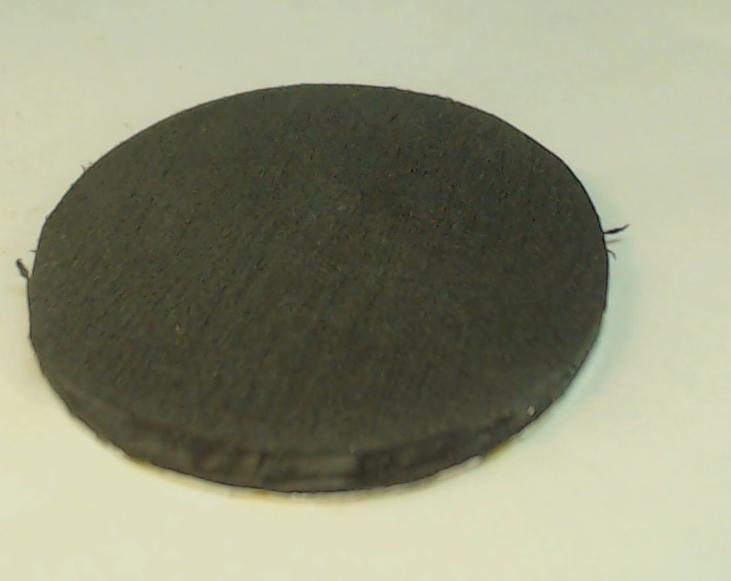
Aluminium composite panel with a core consisting of polyethylene (PE) and an inorganic filler.
Core of aluminium composite panel (21-35)
ACP21
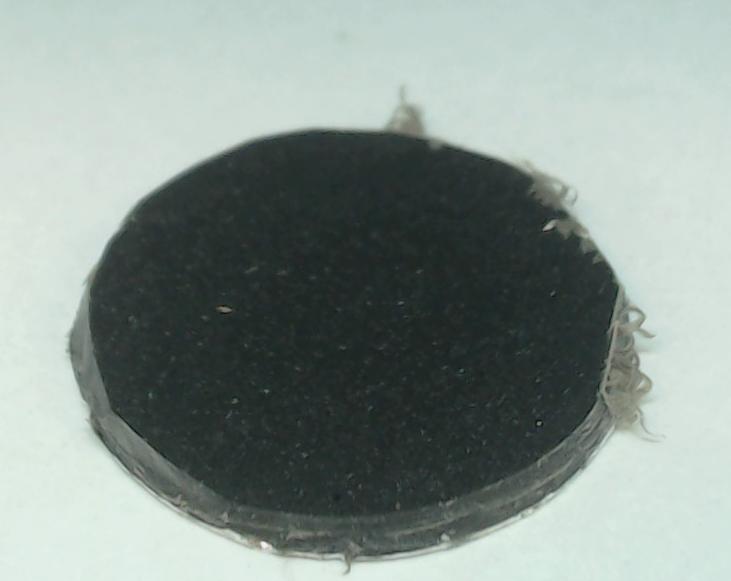
Aluminium composite panel with a core consisting of polyethylene (PE) and an inorganic filler.
ACP22
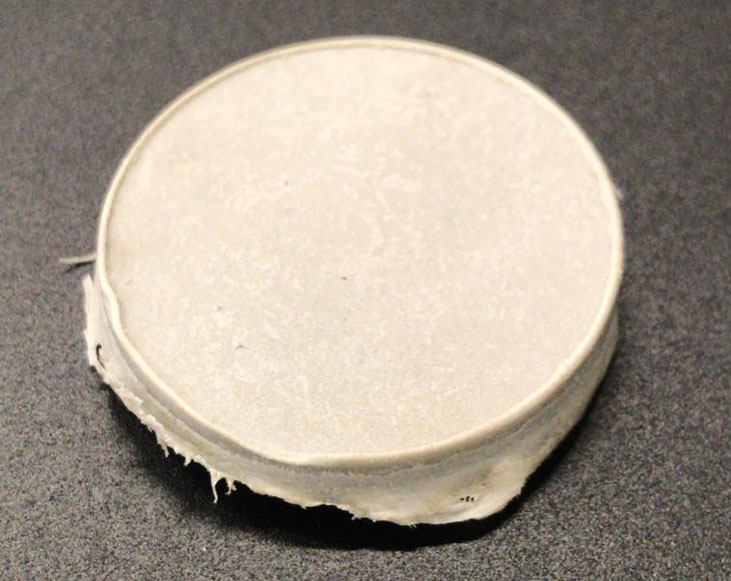
Aluminium composite panel with a core consisting of polyethylene (PE) with ethyl vinyl acetate (EVA) copolymer, a fire retardant, and an inorganic filler.
ACP23
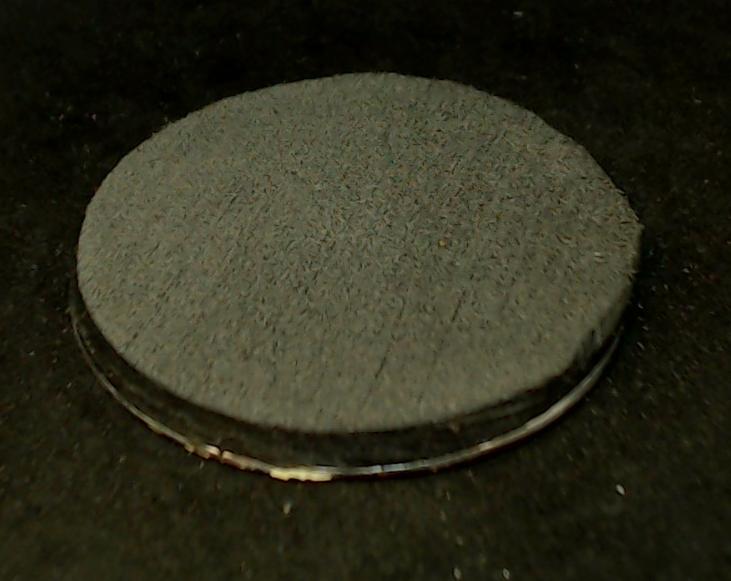
Aluminium composite panel with a core consisting of polyethylene (PE) and an inorganic filler.
ACP24
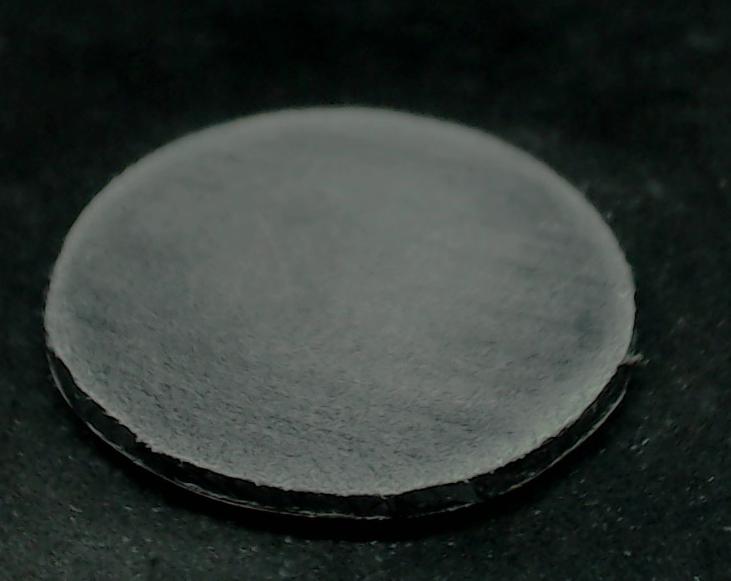
Aluminium composite panel with a core consisting of polyethylene modified with vinyl acetate (PE-VA) and a fire retardant.
ACP25
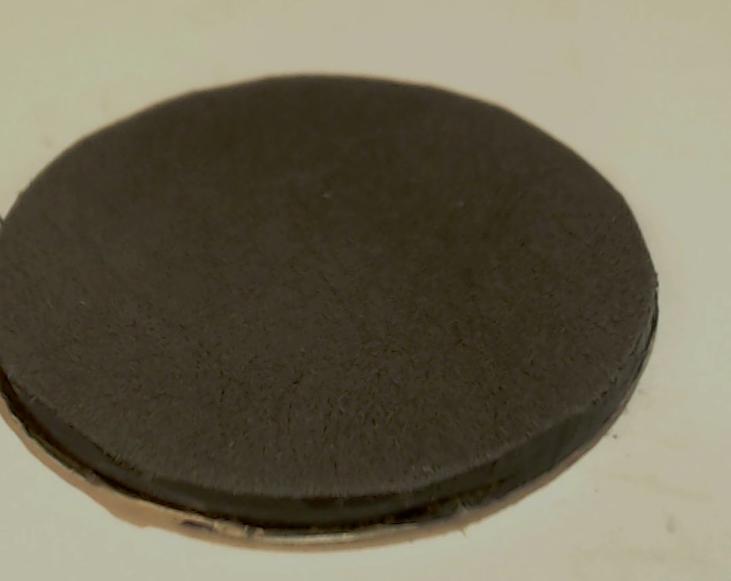
Aluminium composite panel with a core consisting of polyethylene (PE) and inorganic fillers.
ACP27
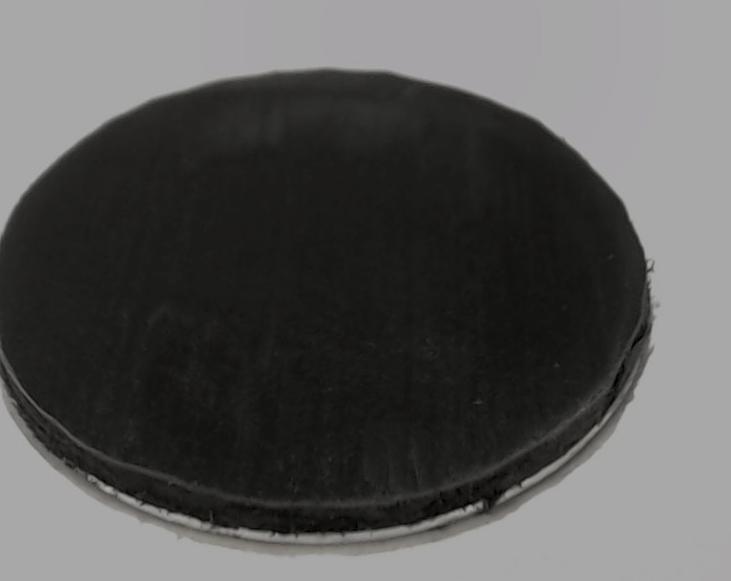
Aluminium composite panel with a core consisting of polyethylene (PE) and an inorganic filler.
ACP28
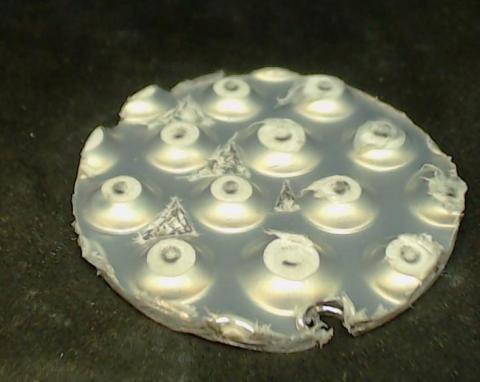
Aluminium composite panel consisting of an egg-box core with polymer adhesive.
ACP29
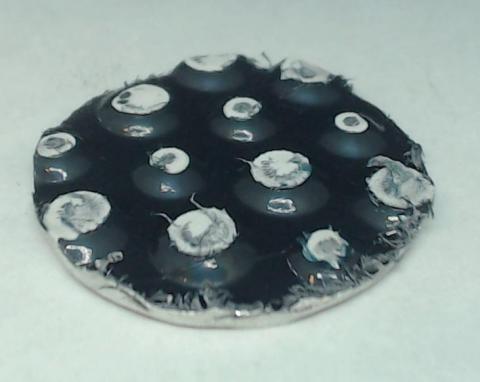
Aluminium composite panel consisting of an egg-box core with polymer adhesive.
ACP30
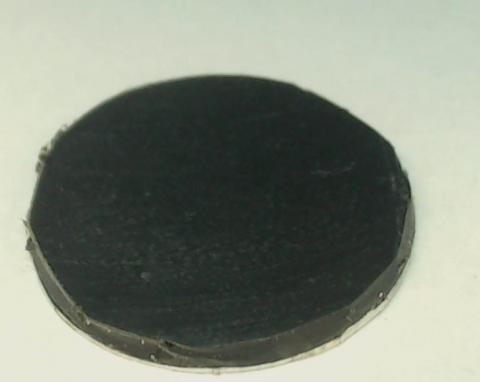
Aluminium composite panel with a core consisting of polyethylene (PE) and an inorganic filler.
ACP31
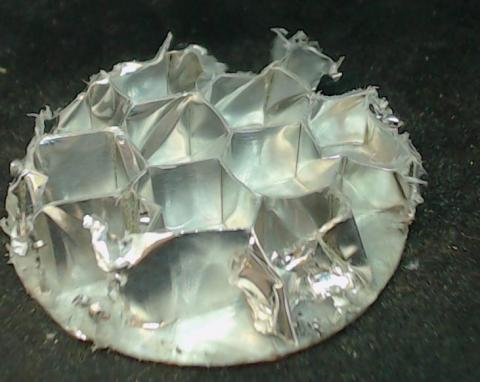
Aluminium alloy composite panel with a core consisting of an aluminium foil honeycomb structure connected with a ethylene-acrylate acid (EAA) copolymer adhesive.
ACP32
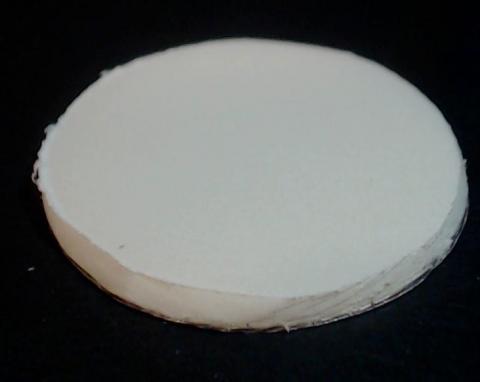
Aluminium composite panel with a core consisting of polyethylene (PE) and a fire retardant.
ACP34
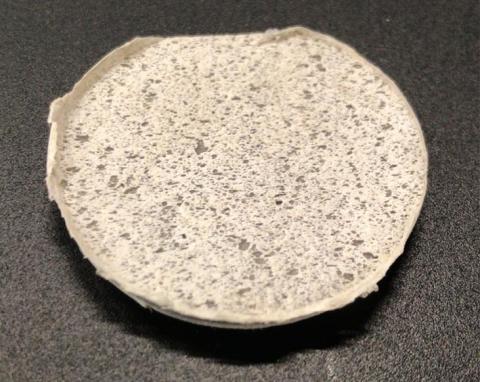
Aluminium composite panel with a core consisting of polyethylene (PE) and fire retardants.
ACP35
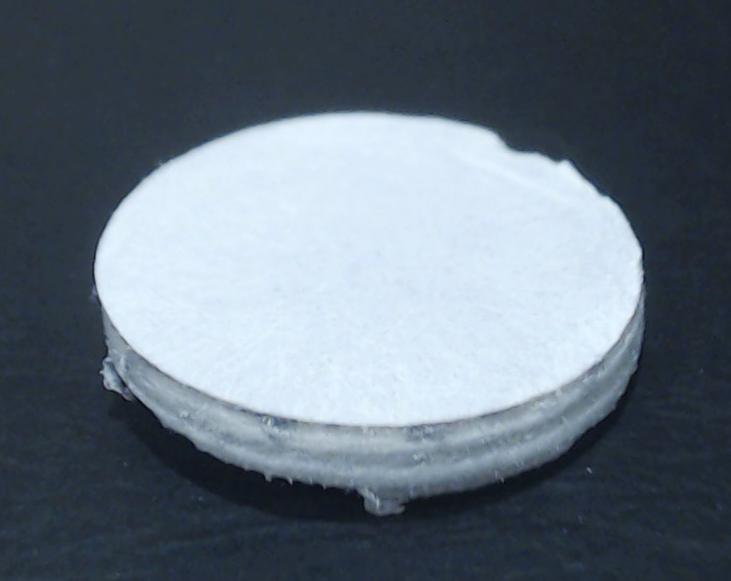
Aluminium composite panel with a core consisting of polyethylene (PE) and a fire retardant.
Insulation material
INS01
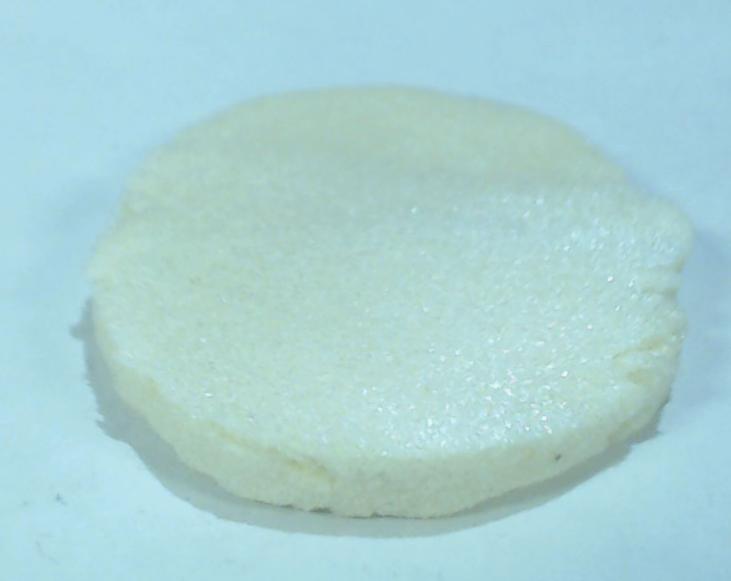
Polyurethane-based polyisocyanurate (PIR) foam.
INS02
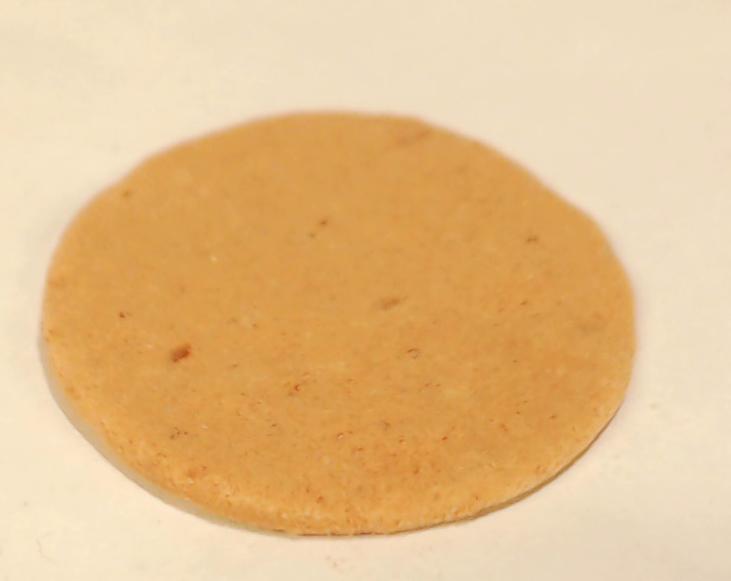
Phenolic foam - organic foam insulation.
INS03
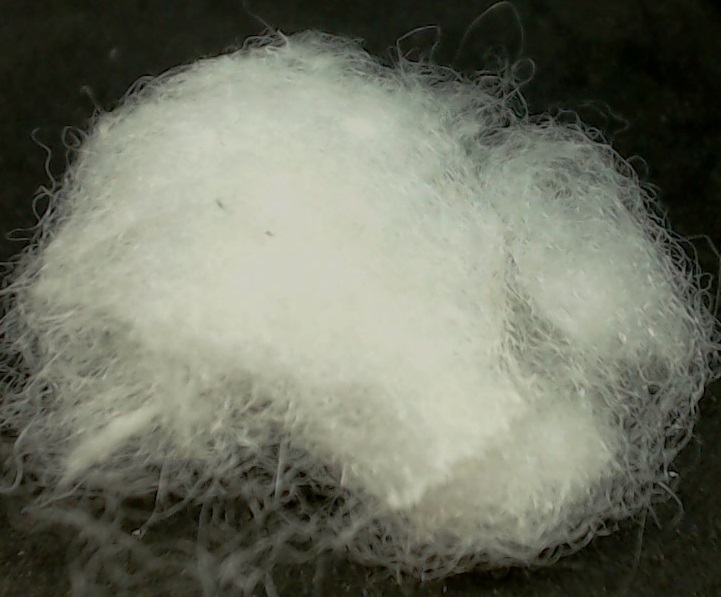
Poly(ethylene terephthalate) - organic fibrous material.
INS04
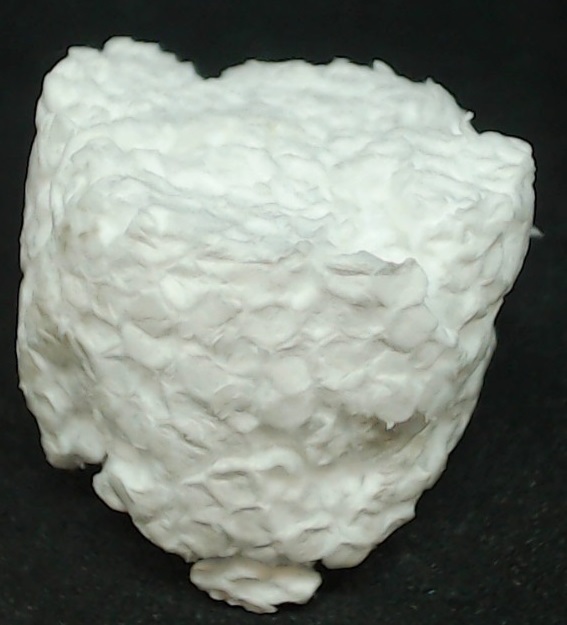
Expanded polystyrene (EPS) - organic foam insulation with traces of bromine.
INS05
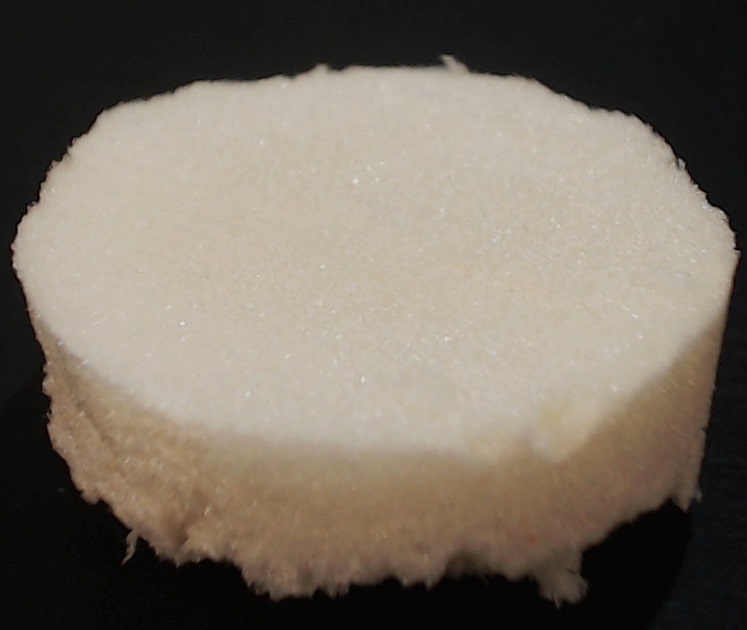
Isocyanurate-based polyurethane foam (PIR).
INS06
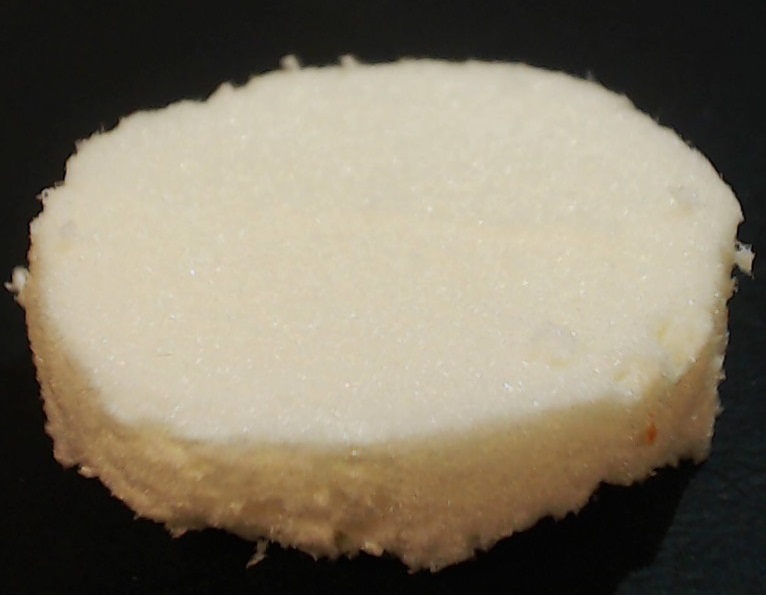
Polyurethane rigid foam (PUR) - organic foam insulation.
INS07
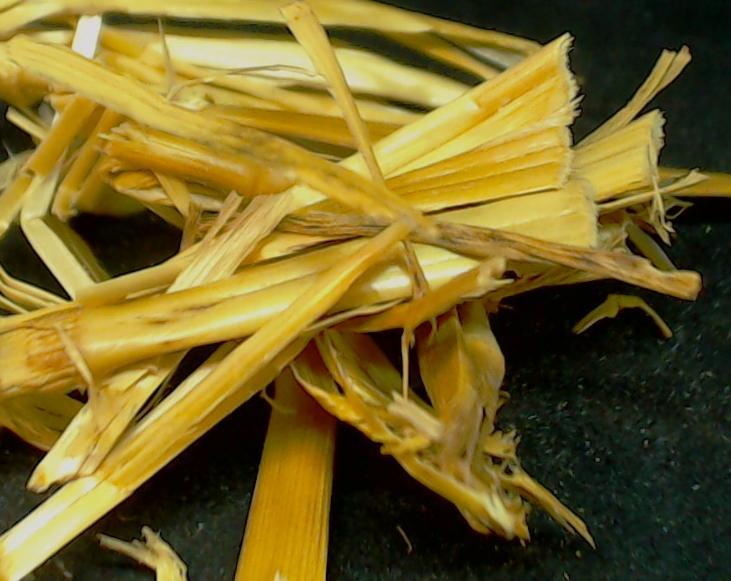
Straw - organic insulation.
INS08
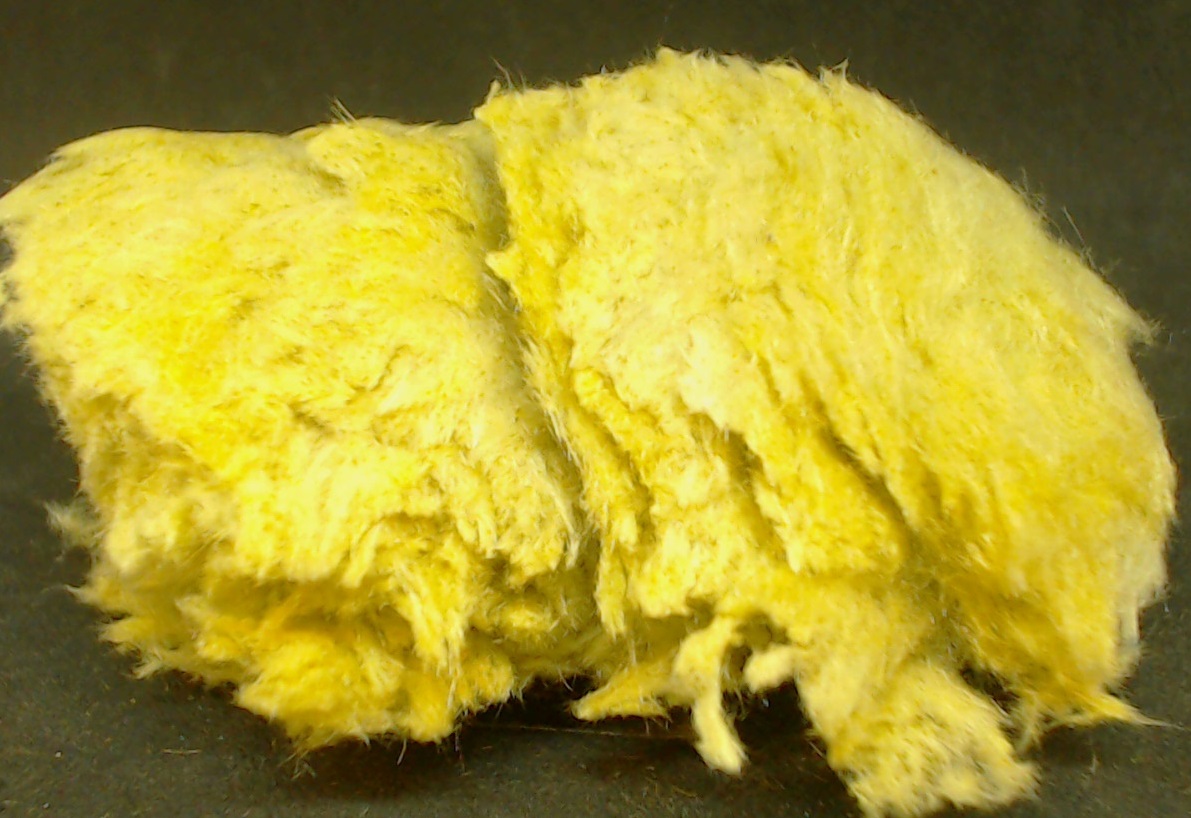
Stone wool - inorganic fibrous insulation.
INS09
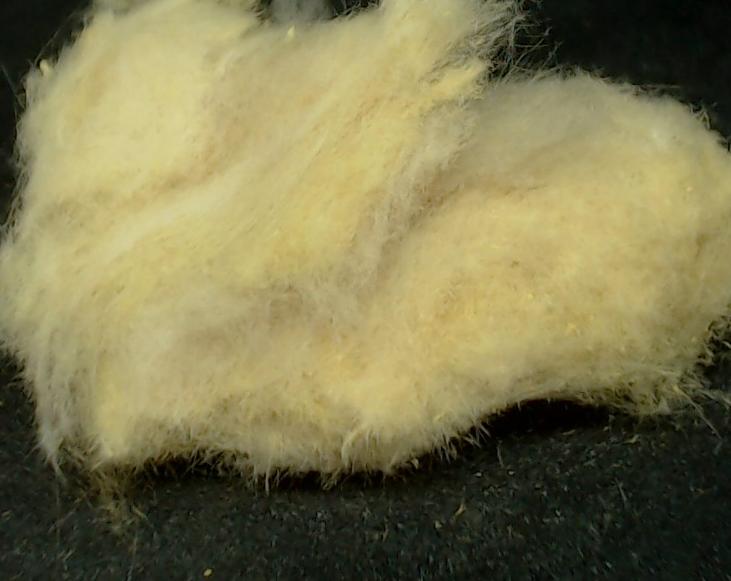
Glass wool - inorganic fibrous insulation.
INS12
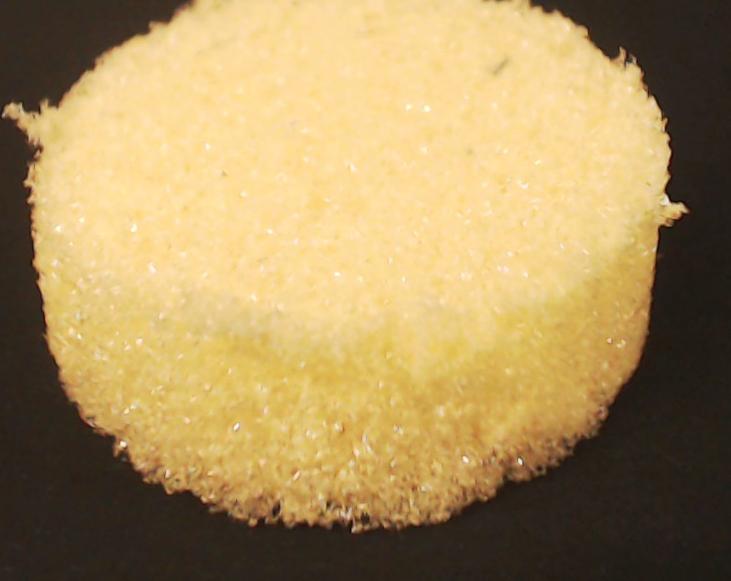
Polyurethane flexible foam (PU) - organic foam insulation.
Sarking
SRK01-S1
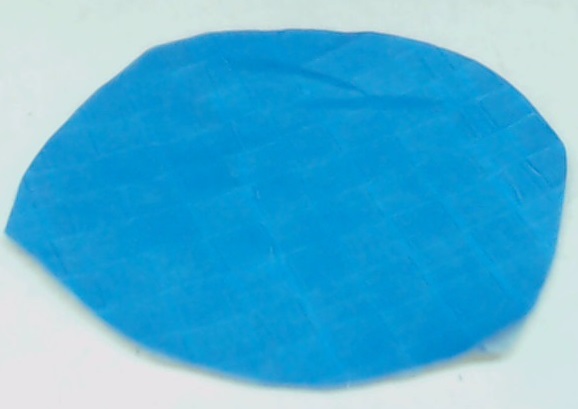
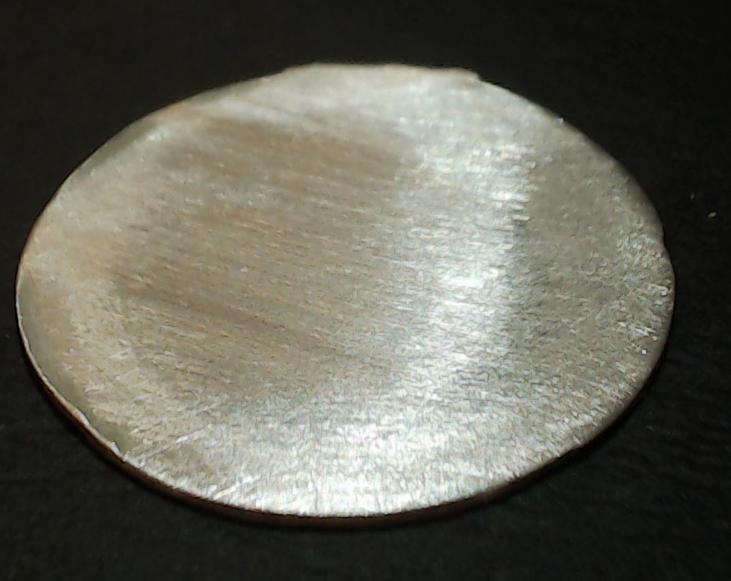
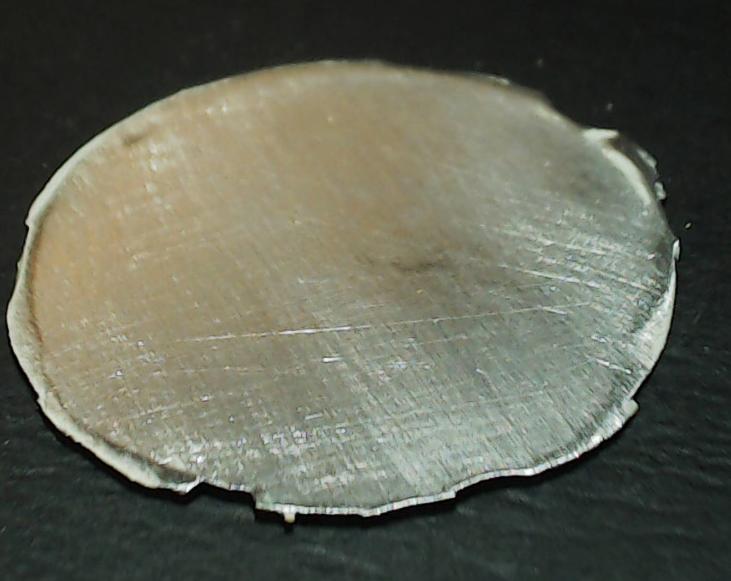
Glass fibre reinforced aluminium sarking with polypropylene polymer backing.
SRK01-S2
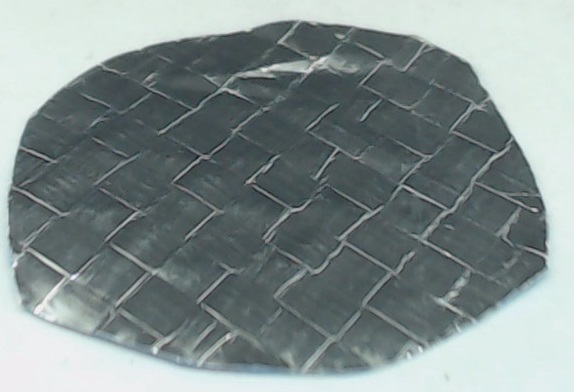
Glass fibre reinforced aluminium sarking with polypropylene backing.
SRK02-S1
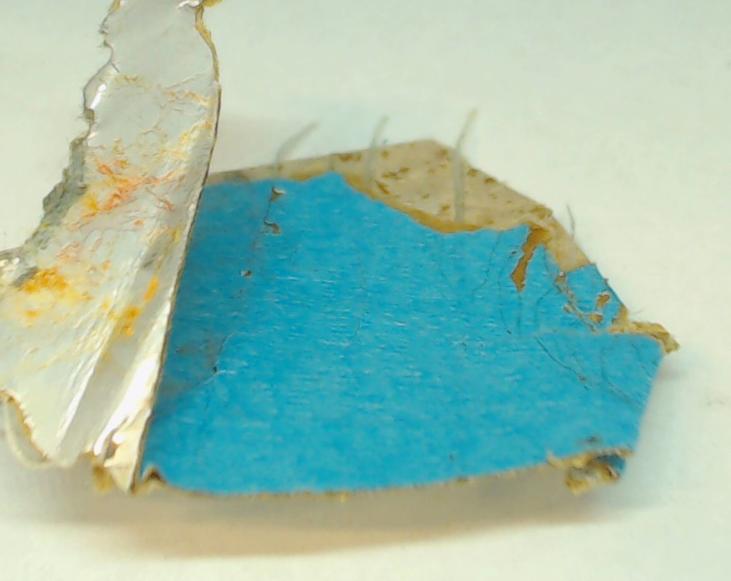
Glass fibre reinforced aluminium foil with cellulosic paper backing, inorganic filler, and polymer coating.
SRK03-S1
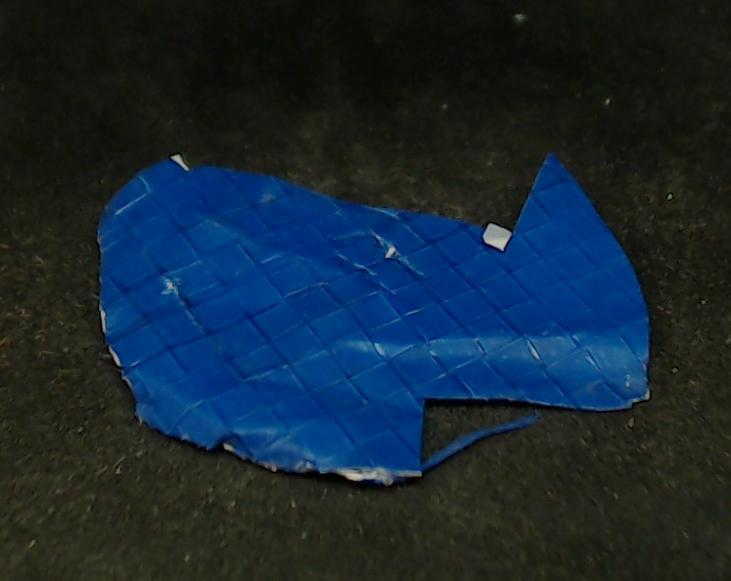
Glass fibre reinforced aluminium sarking with a polypropylene (PP) backing which contains inorganic filler.
SRK03-S2
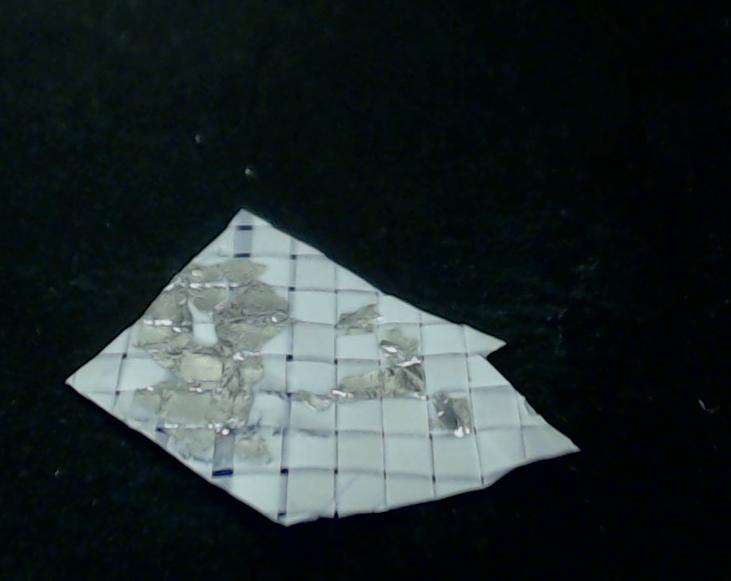
Glass fibre reinforced aluminium sarking with a polypropylene (PP) backing which contains inorganic filler.
SRK04-S1
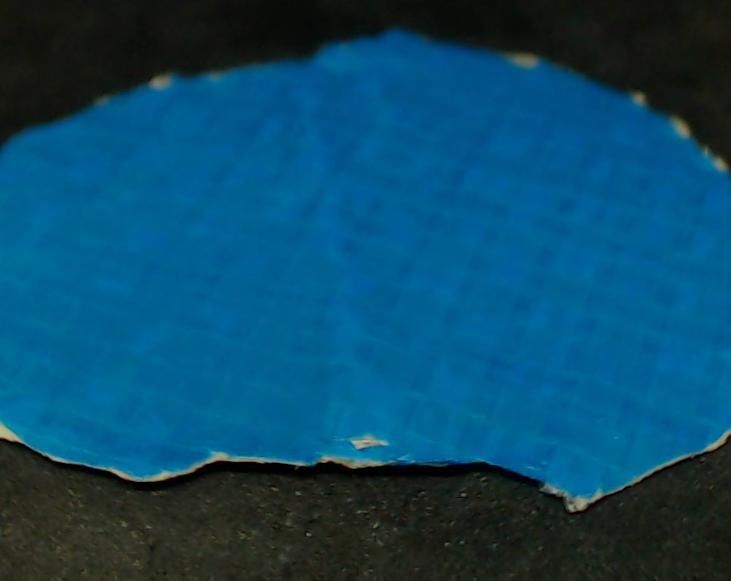
Glass fibre reinforced aluminium sarking with polyethylene (PE) backing.
SRK04-S2
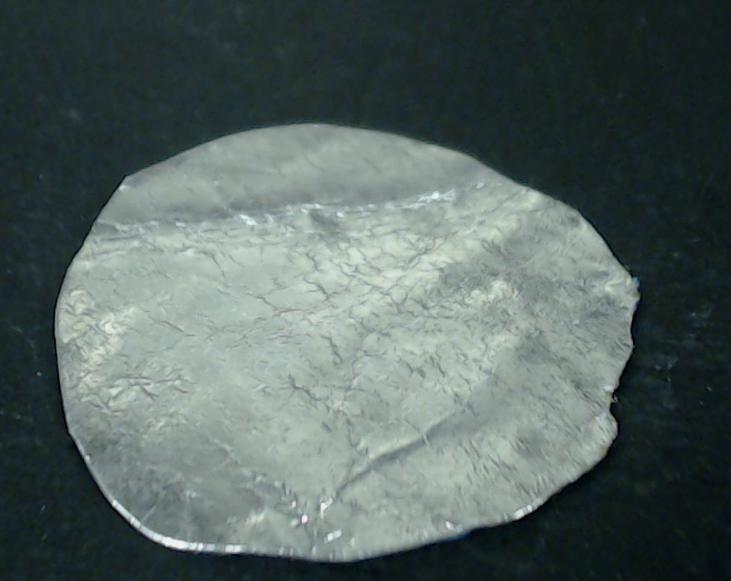
Glass fibre reinforced aluminium sarking with polyethylene (PE) backing.
SRK05-S1
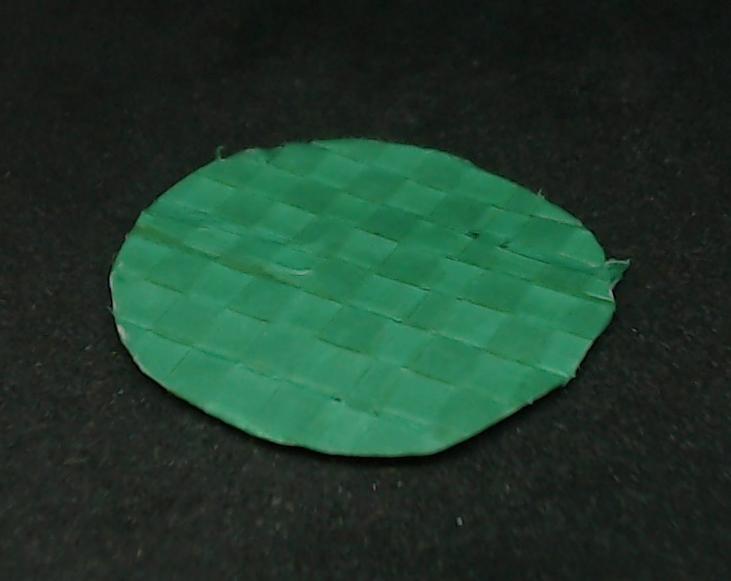
Glass fibre reinforced aluminium sarking with a backing containing polypropylene (PP) and inorganic filler.
SRK05-S2
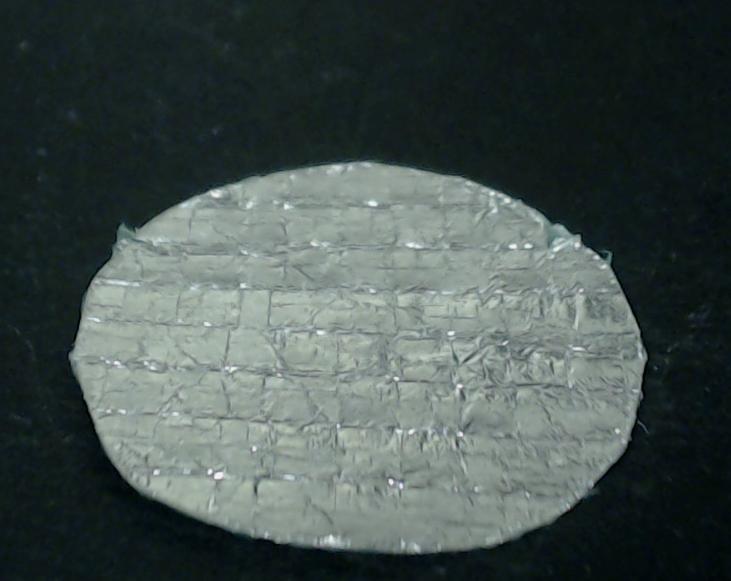
Glass fibre reinforced aluminium sarking with a backing containing polypropylene (PP) and inorganic filler.
SRK07-S1
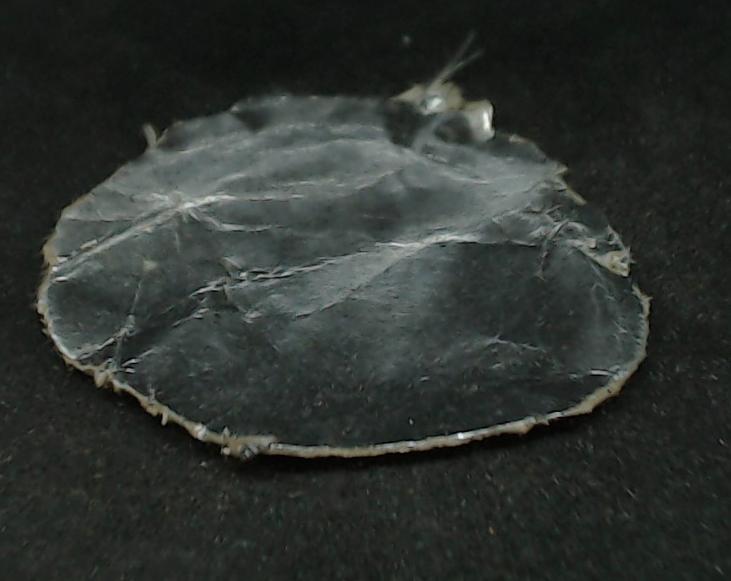
Paper backing sandwiched between aluminium foil sarking.
SRK07-S2
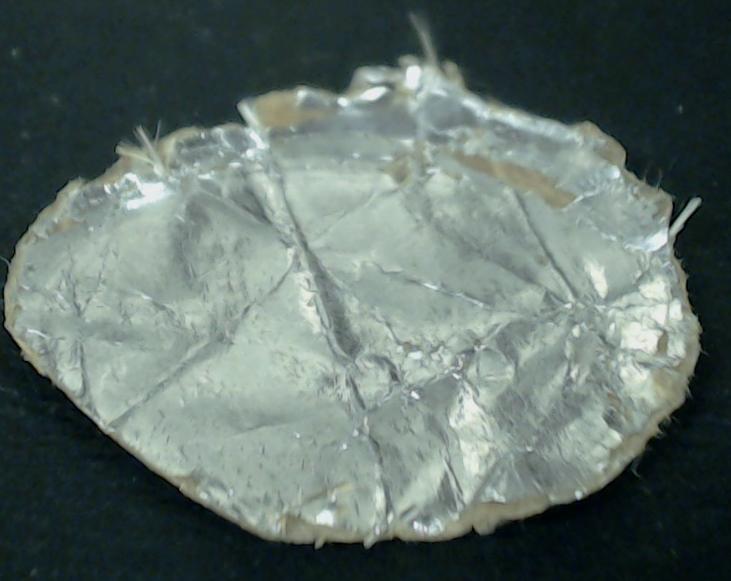
Paper backing sandwiched between aluminium foil sarking.
SRK08-S1
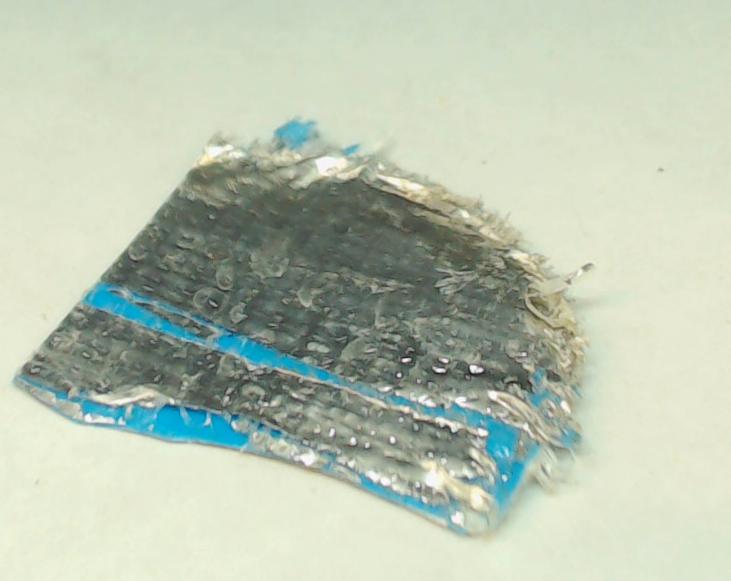
Polypropylene backing sandwiched between two layers of glass fibre reinforced aluminium foil.
SRK08-S2
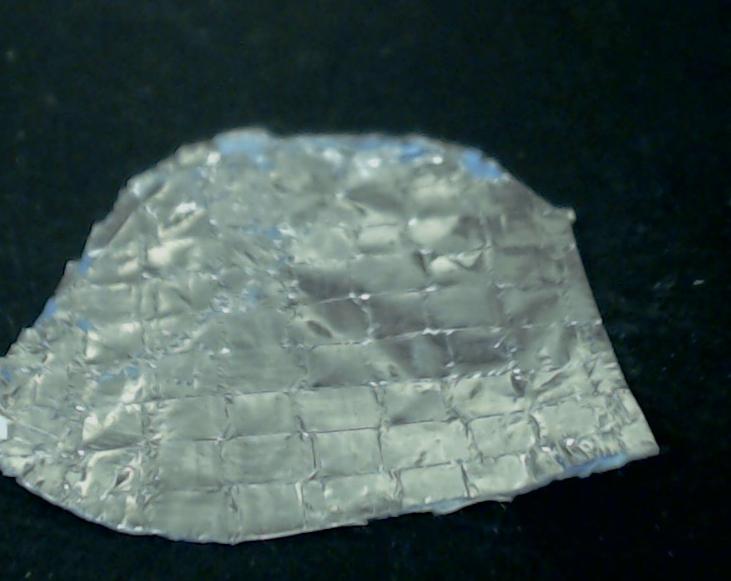
Polypropylene backing sandwiched between two layers of glass fibre reinforced aluminium foil.
SRK11-S1
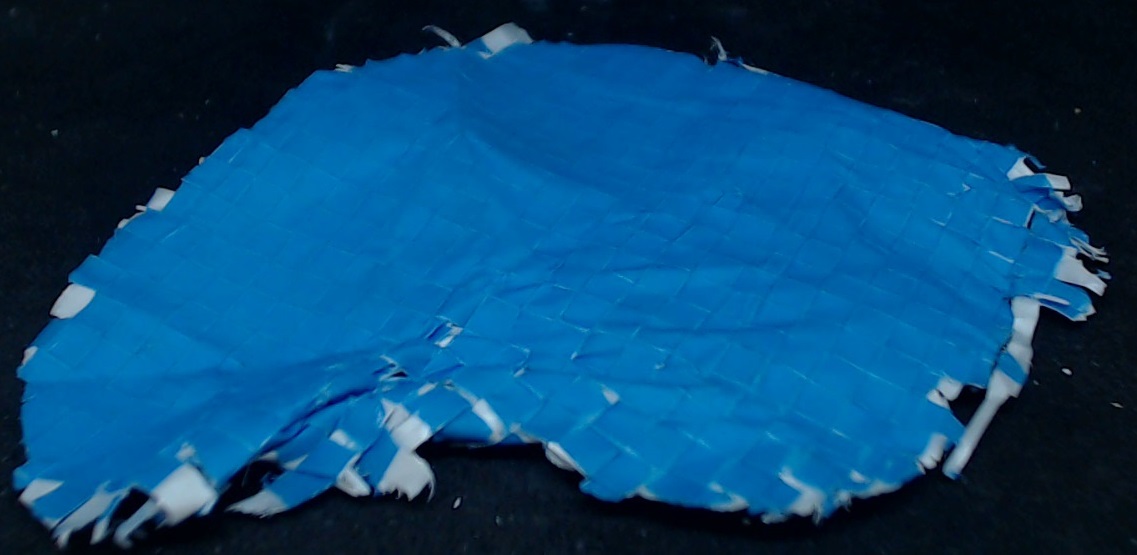
Glass fibre reinforced aluminium sarking with polypropylene backing.
SRK11-S2
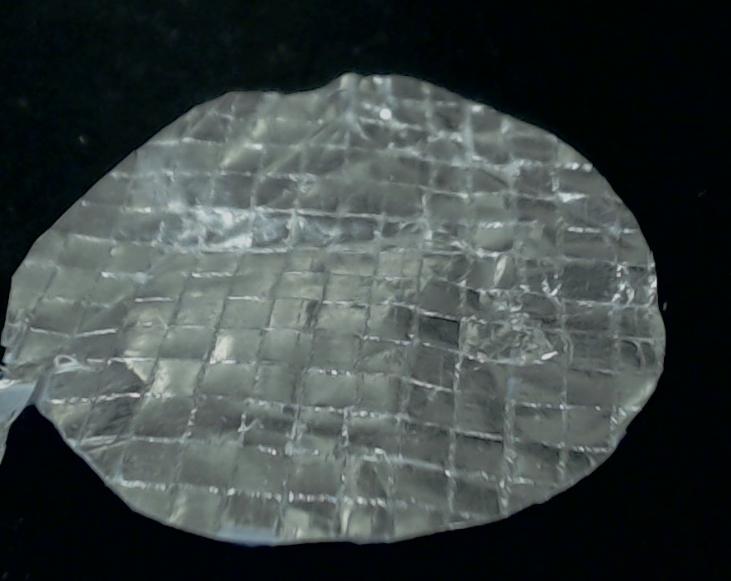
Glass fibre reinforced aluminium sarking with polypropylene backing.
SRK14
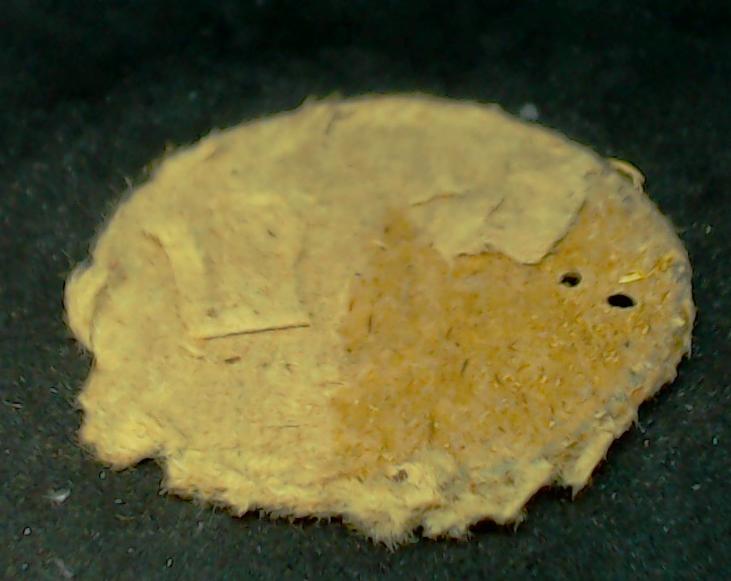
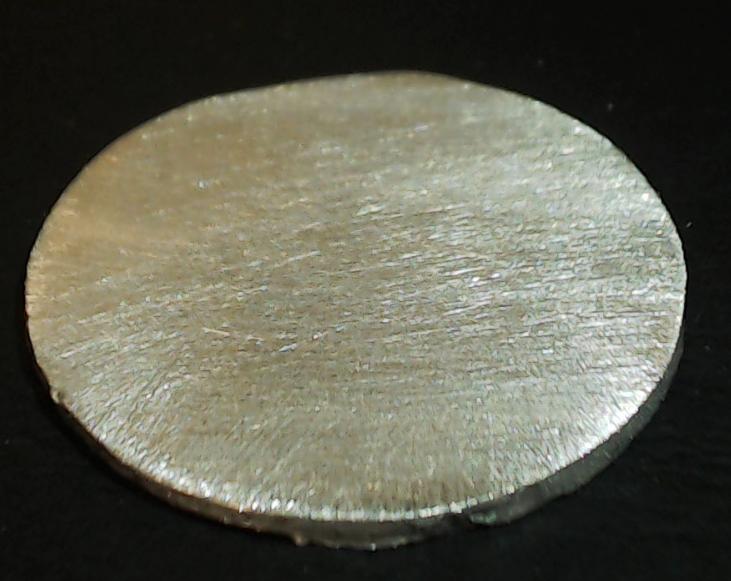
Disc consisting of cellulose.
SRK16
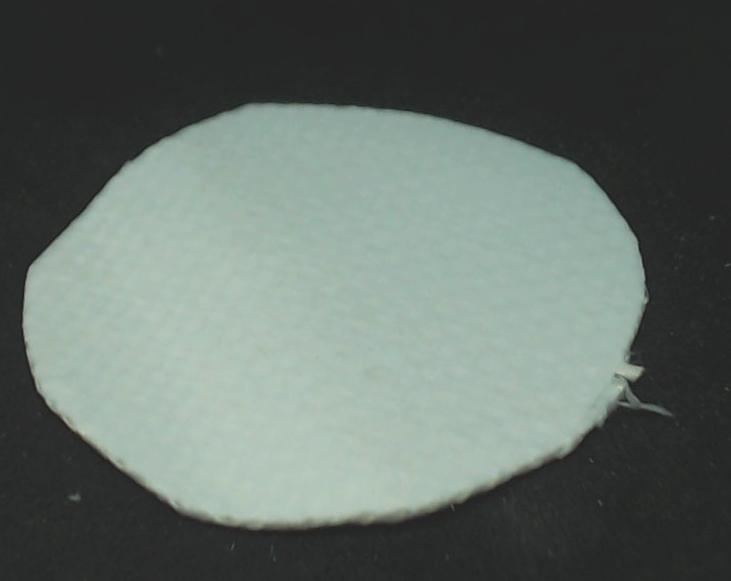
Flexible membrane consisting of polytetrafluoroethylene (PTFE) containing a layer of interwoven glass fibres.
Other materials
OTH01
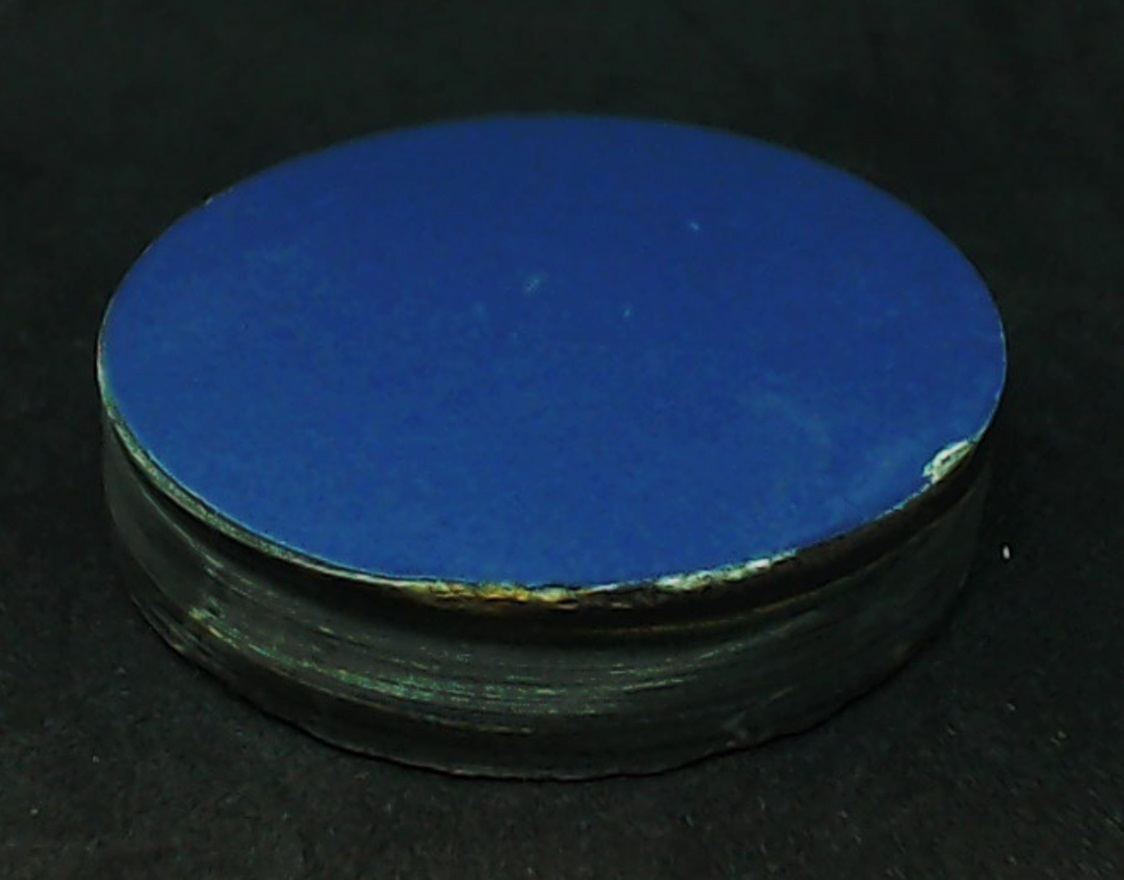
Predominantly organic composition rich in aromatics, such as cellulose-based and/or phenolic polymers, with an inorganic filler.
OTH02
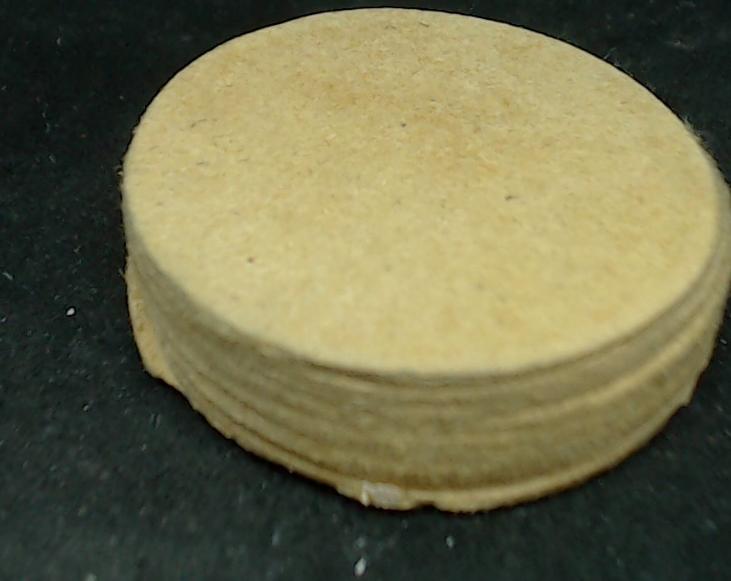
Wooden fibreboard bonded with resin.
OTH03
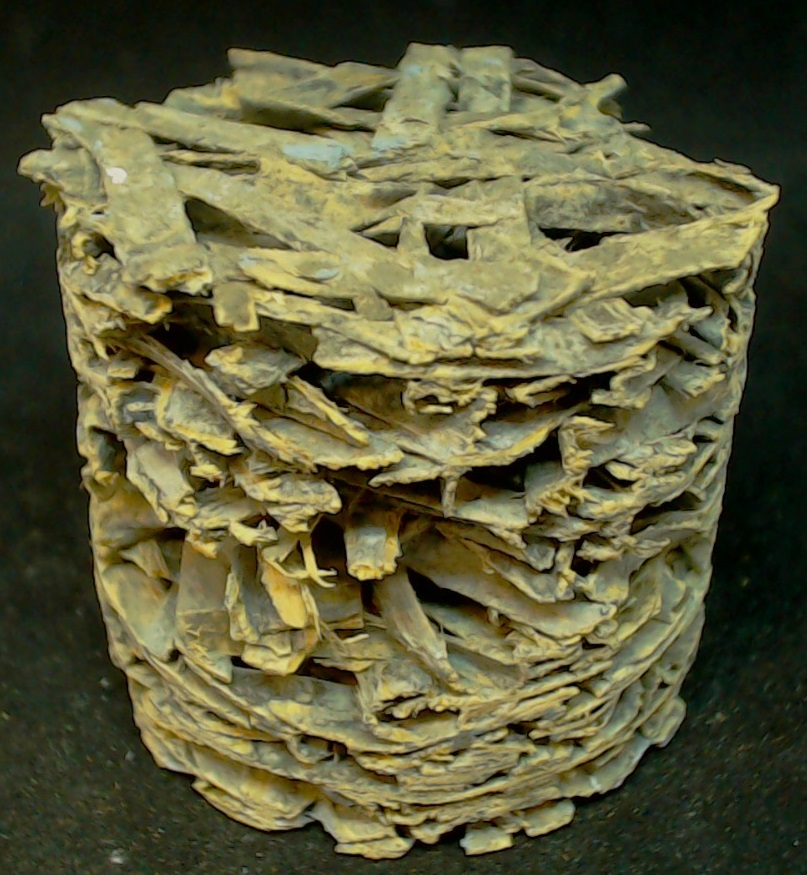
Panel consisting of interlaced natural fibres bonded with cement.
OTH04
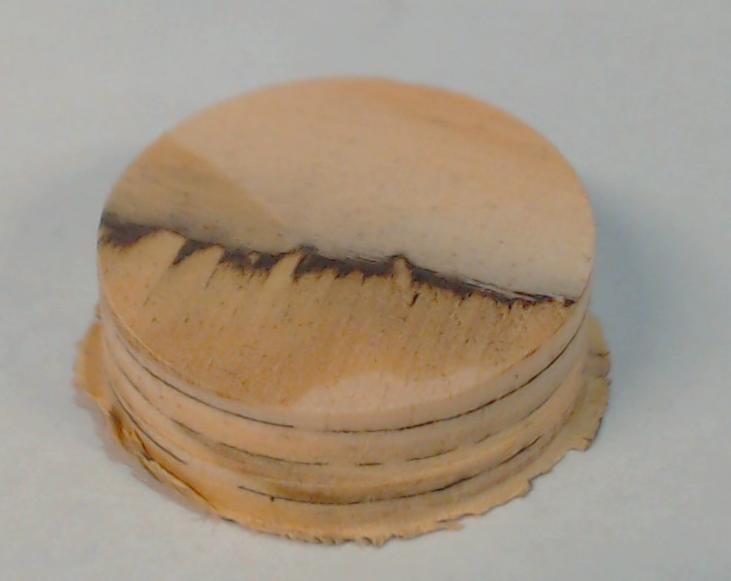
Wooden layers bonded with resin.
OTH05
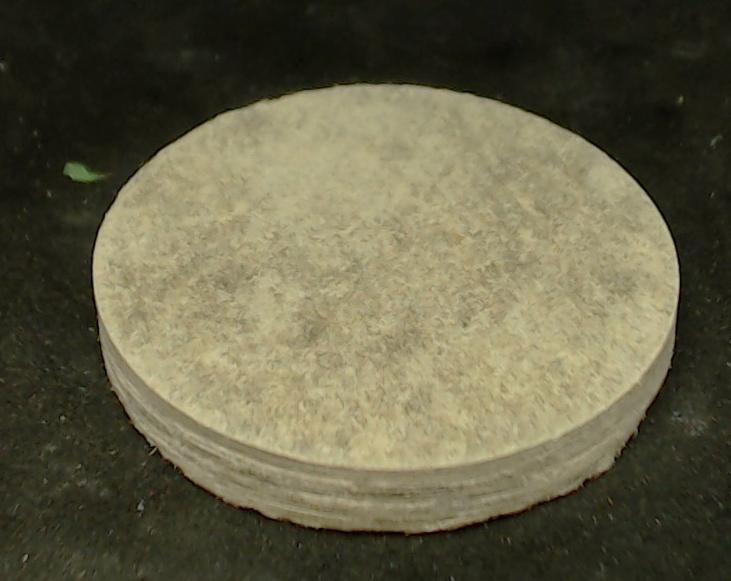
Cementitious board with wooden fibres.
OTH06
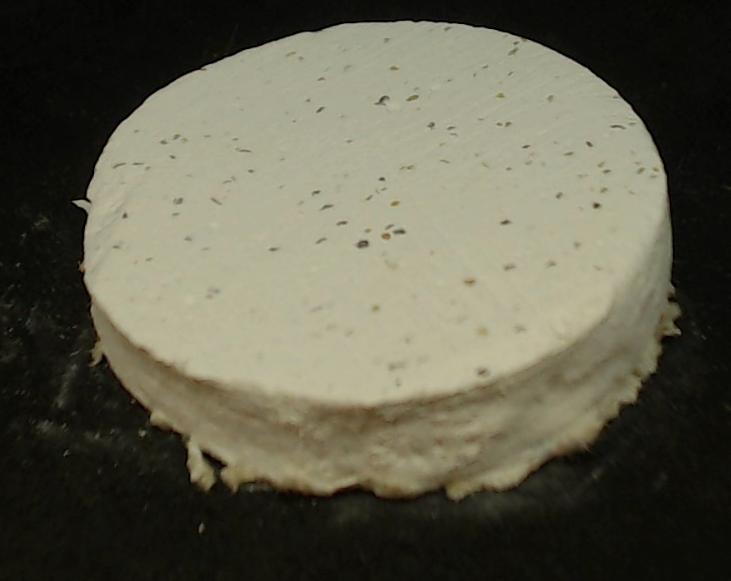
Gypsum plasterboard with a glass fibre reinforced paper lining.
OTH08
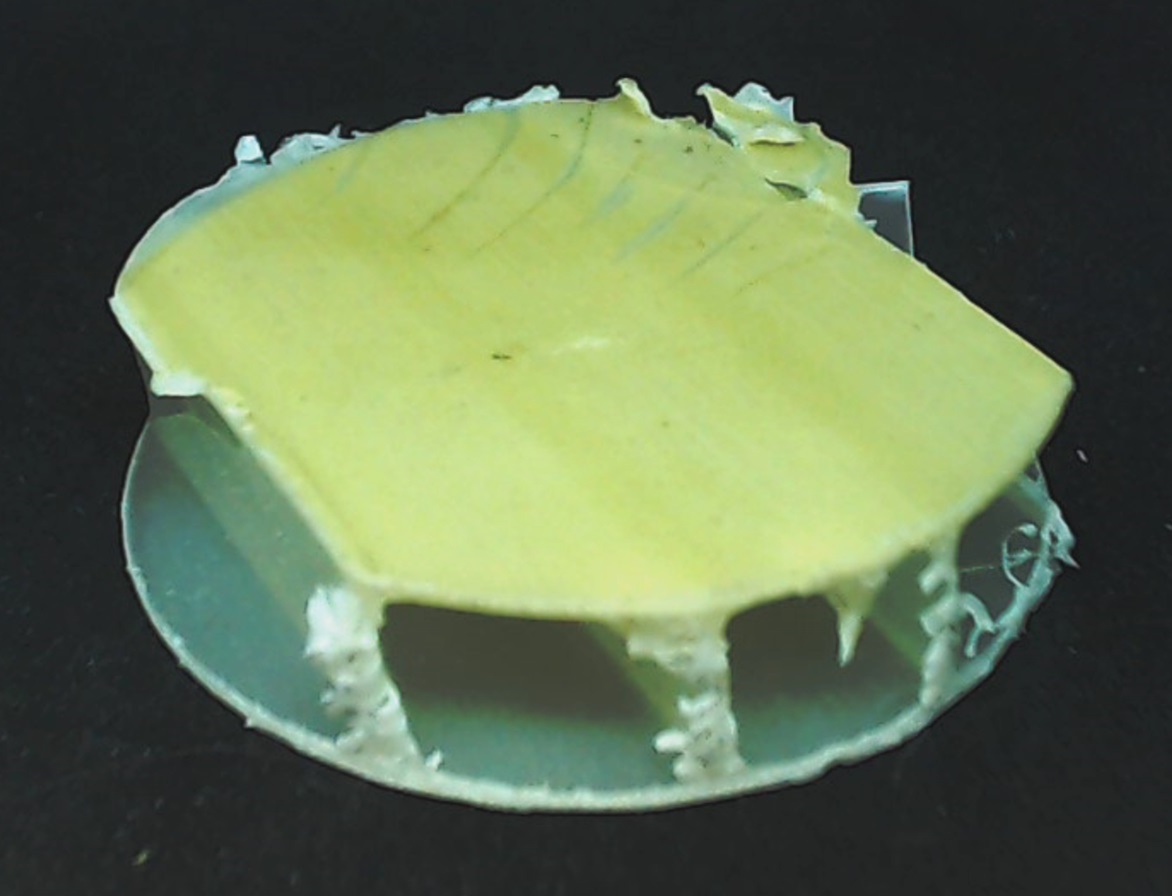
Polycarbonate honeycomb structure with an inorganic filler.
OTH09
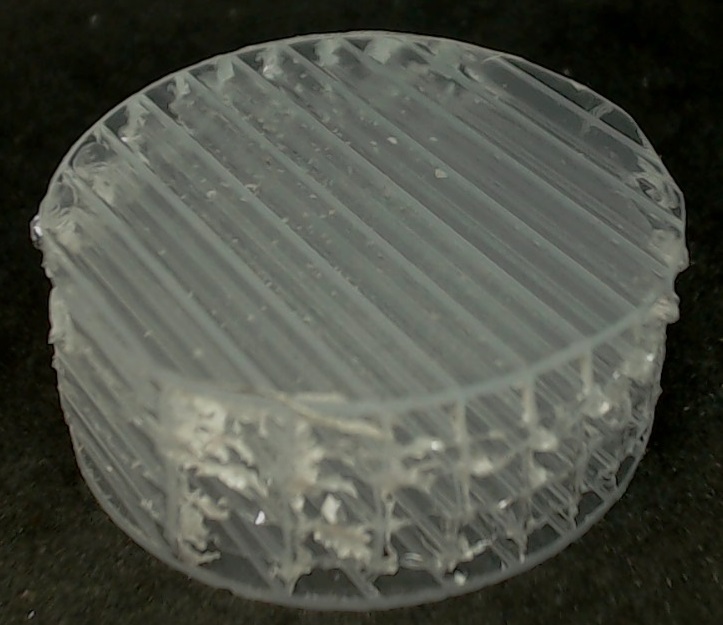
Polycarbonate (PC) with a honeycomb structure.
OTH10
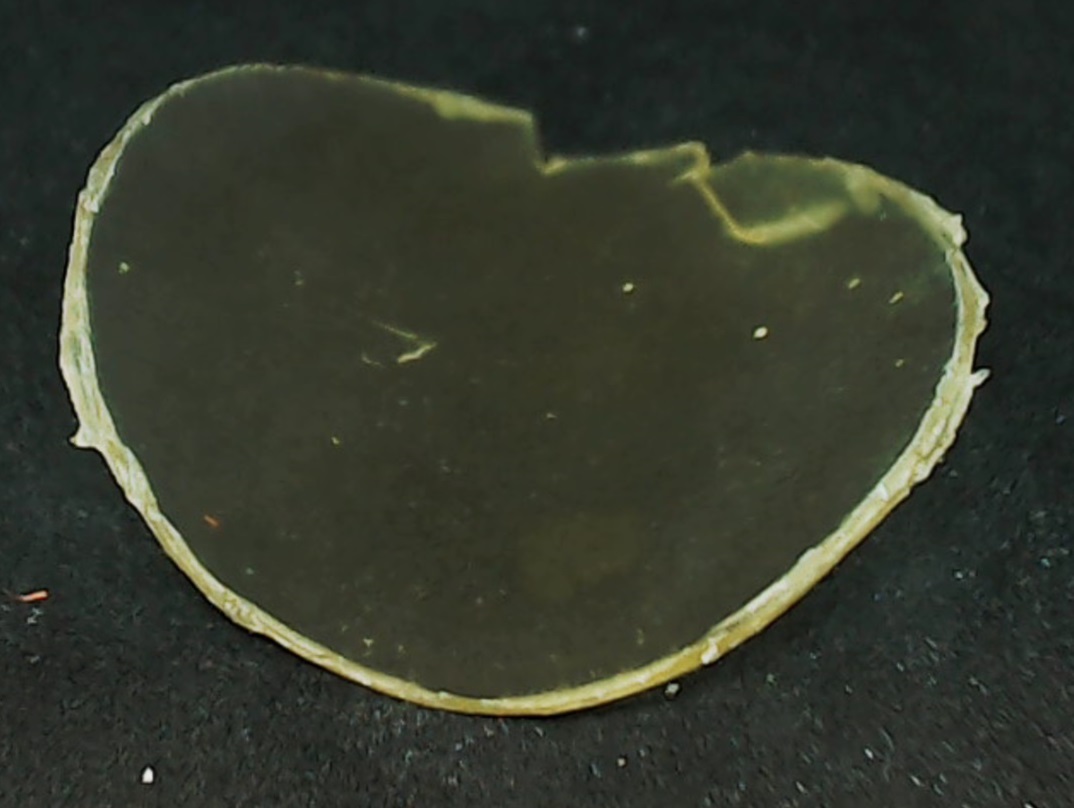
Polycarbonate sheet.
OTH11
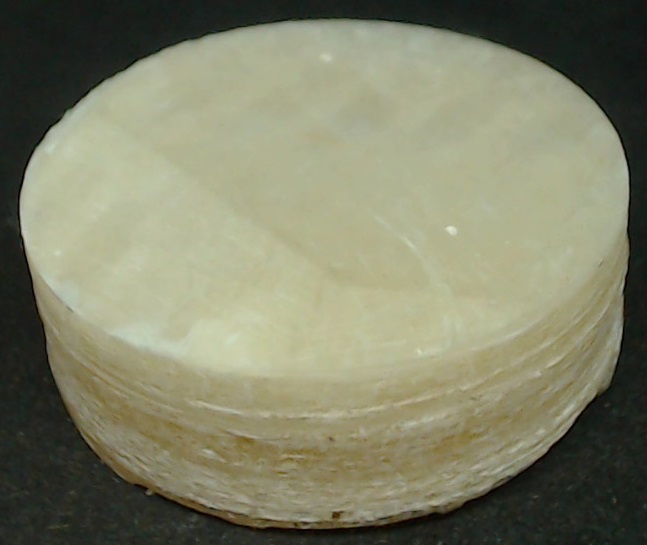
Glass reinforced polyester composite.
OTH19
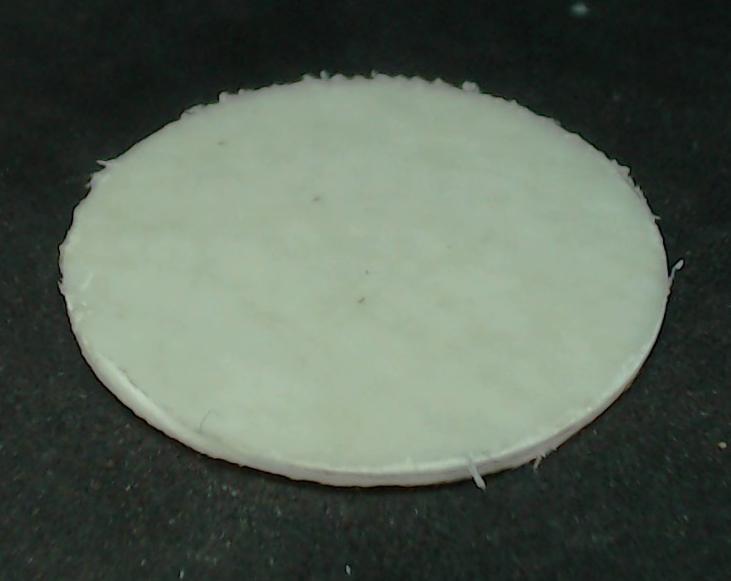
Glass reinforced polyester composite.
OTH20
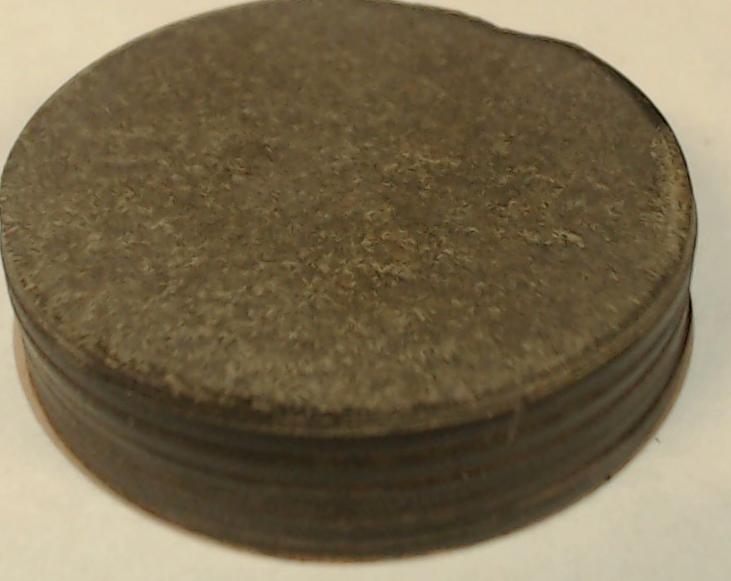
Predominantly organic composition rich in aromatics, such as cellulose-based and/or phenolic polymers.
OTH23
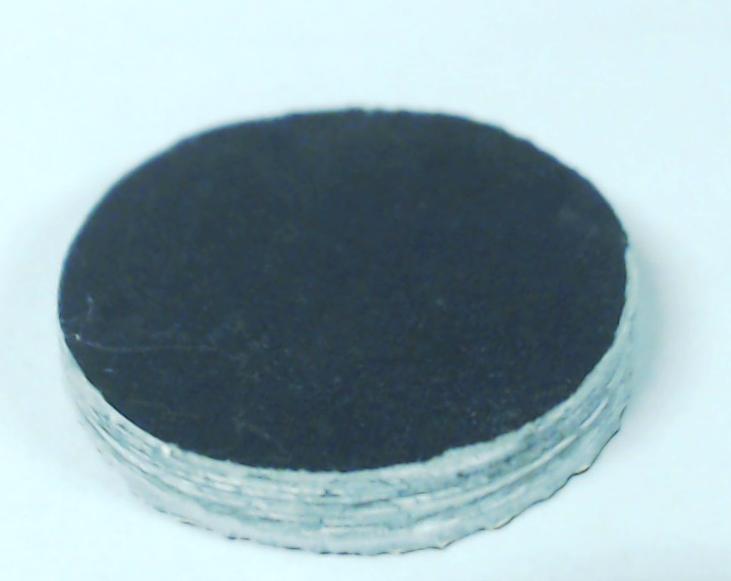
Glass reinforced polymer composite.
OTH24
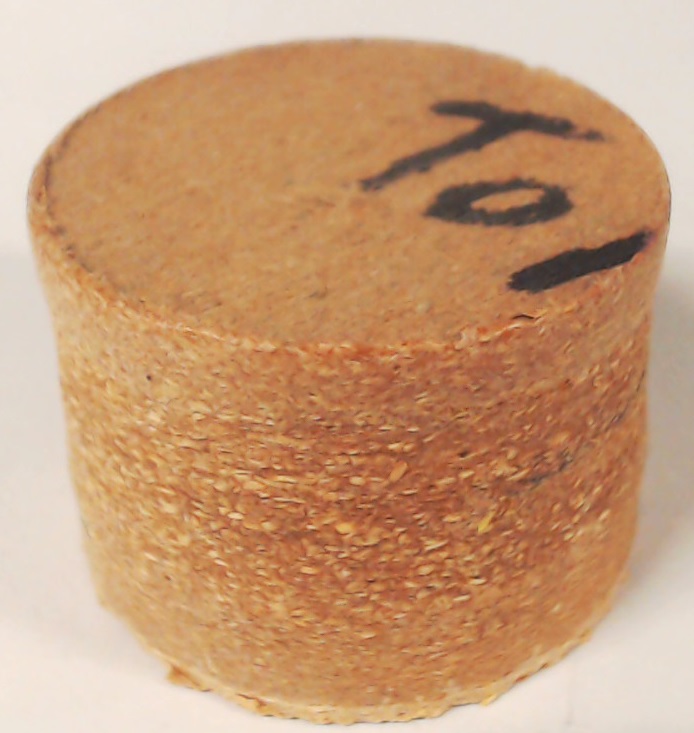
Wood polymer composite (WPC).
Contribute data or materials
Contribute data
The Cladding Materials Library is to be continuously updated with new data analyses and new materials so that the community could benefit from publicly available and transparent information to guarantee a safer built environment.
If you want to contribute to the Cladding Materials Library with data from materials not readily available in the database, please email your data using also the template attached template [link to template] to d.lange@uq.edu.au. It is mandatory to indicate the laboratory used to produce these data and provide any evidence of the suitability of the data.
The data will be inspected by the Fire Safety Engineering Research Group at The University of Queensland before publishing.
Contribute materials
The University of Queensland has a Fire Safety Laboratory with state-of-the-art equipment to perform testing on materials, products and systems. Testing services are provided on the basis that the data is donated to the Cladding Materials Library. The Fire Safety Engineering Research Group at The University of Queensland is a non-profit organisation leading fire safety engineering research and education in Australia.
Screening testing protocol service
The screening testing protocol aims at obtaining a characterisation of the chemical fingerprint (uniqueness) of the material through a chemical composition identification and characterisation of the thermal degradation.
A. Chemical composition identification based on:
- A1. ATR-FTIR.
- A2. EDXRF
B. Thermal decomposition identification using:
- B1. TGA under non-oxidative conditions
- B2. TGA under oxidative conditions
Commercial services of material identification (A) for samples are offered by a dedicated consulting brand at The University of Queensland, UQ Materials Performance. Please refer to them for a quotation on material identification services.
For cross-referencing purposes in the Cladding Materials Library and robust screening of materials, it is required thermal decomposition testing (B - TGA). These services are offered by the Fire Safety Engineering Research Group at The University of Queensland.
Detailed testing protocol service
The detailed testing protocol aims at obtaining a characterisation of the flammability of the material. As described in the framework, a detailed testing protocol includes:
A. Chemical composition identification using:
- A1. ATR-FTIR.
- A2. EDXRF
B. Thermal decomposition identification using:
- B1. TGA under non-oxidative conditions: 1 test
- B2. TGA under oxidative conditions: 1 test
C. Determination of Gross Heat of Combustion using the Bomb Calorimeter: 3 tests
D. Determination of Critical Heat Flux for Ignition using the Mass Loss Calorimeter: 5 tests
E. Determination of Burning Rate, Heat Release Rate and Effective Heat of Combustion under 35, 50, 60 kW/m2 using the Cone Calorimeter: 6 tests
F. Flame spread phenomenon in a horizontal and vertical orientation using the LIFT: 4 tests
For the purpose of continuously upgrading the Cladding Materials Library and supporting industry, the Fire Safety Engineering Research Group at The University of Queensland offers developing 'detailed testing protocol' on new cladding materials at consulting rates. The Fire Safety Engineering Research Group accepts undertaking these tests on the basis that the data will be donated to the Cladding Materials Library so that it can be publicly accessible online on this site. To request a quote for this service, please submit the form below.
There are other several laboratories in Australia that offer similar services.
Please send any materials you wish to contribute to David Lange at d.lange@uq.edu.au.
Include the following details in your email:
- Contact person
- Institution
- Email address
- Description of the material you are contributing