
By Professor Rebecca Gravina FTSE, TMR Chair of Structural Engineering, UQ School of Civil Engineering.

Australia is already using recycled concrete to build civil infrastructure. We are leading the world in planning to use next-generation concrete that could build bridges that last for 200 years. But we need to do more to get that technology into use.
At The University of Queensland’s School of Civil Engineering, my team is examining how we can develop and use concrete in a way that makes construction stronger, more durable and longer lasting.
This is a key element in the decarbonisation conversation that is often overlooked. Longer-lasting structures need fewer materials, so fewer emissions are produced.
By prioritising building better, not faster, the industry can significantly reduce emissions. This changes the way we discuss decarbonisation in the built environment, from a construction solution to a design solution.
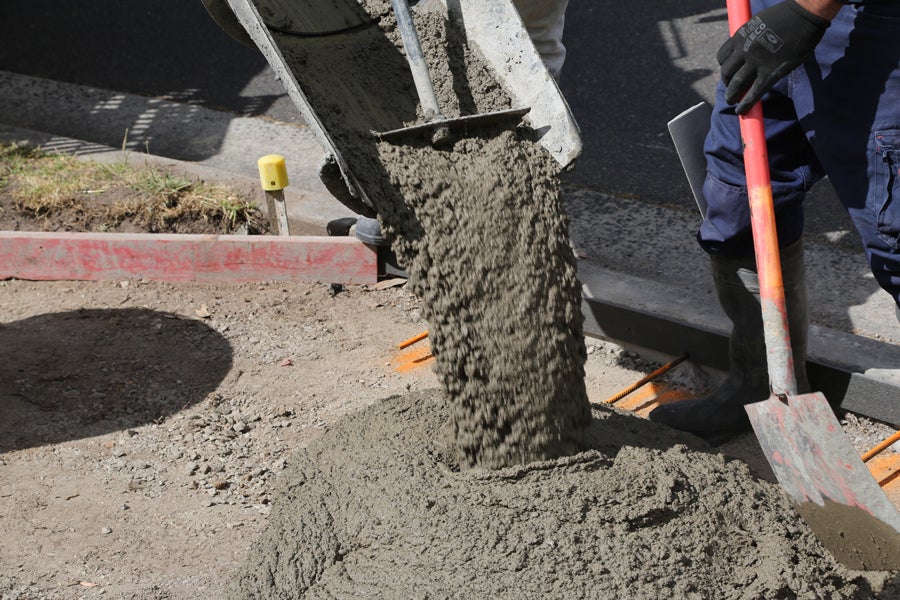
Updates to the Australian bridge design standard AS 5100 will include a dedicated section on Ultra-High Performance Concrete (UHPC). This will be one of the first standards globally to address UHPC construction.
By incorporating fine aggregates and steel fibres into a cementitious matrix, UHPC enables bridge designs with significantly improved durability and resistance to deterioration. That could allow a service life of up to 200 years, compared with the typical 50 to 100-year design life of conventional concrete bridges.
Similarly, our researchers are working on ways to recycle concrete into roads. My team is working on a research project, supported by the SmartCrete Cooperative Research Centre and Queensland’s Department of Transport and Main Roads, to trial using up to 30% recycled concrete aggregate in high-grade road pavement.
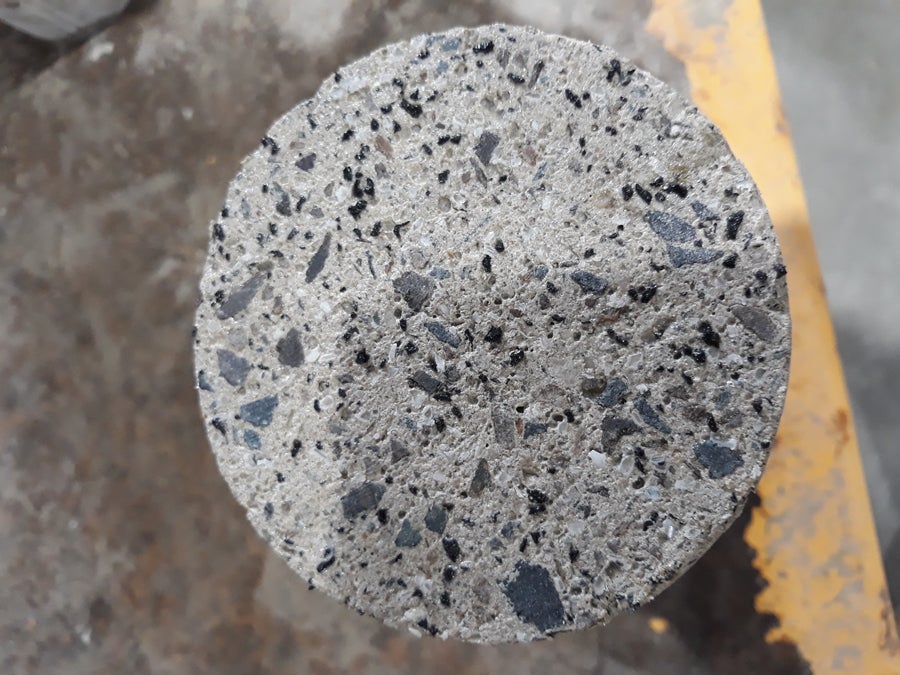
Using recycled aggregate in concrete has the potential to be cheaper than conventional concrete, reduce carbon emissions and cut the amount of construction and demolition waste that goes to landfill.
So, what is holding Australia back from being the world leader in sustainable concrete? It isn’t research or supply. It is a lack of exposure and knowledge among asset owners about emerging technologies. The rest of the chain is ready.
Contractors and site crews are becoming more familiar with new materials. The concrete industry is competitive; suppliers will produce what the market asks for, and the processing capability to deliver recycled aggregate mixes and high-performance concrete already exists.
What drives change is what asset owners put in their specifications. When state and local governments, roads agencies and port authorities update what they require, the market follows.
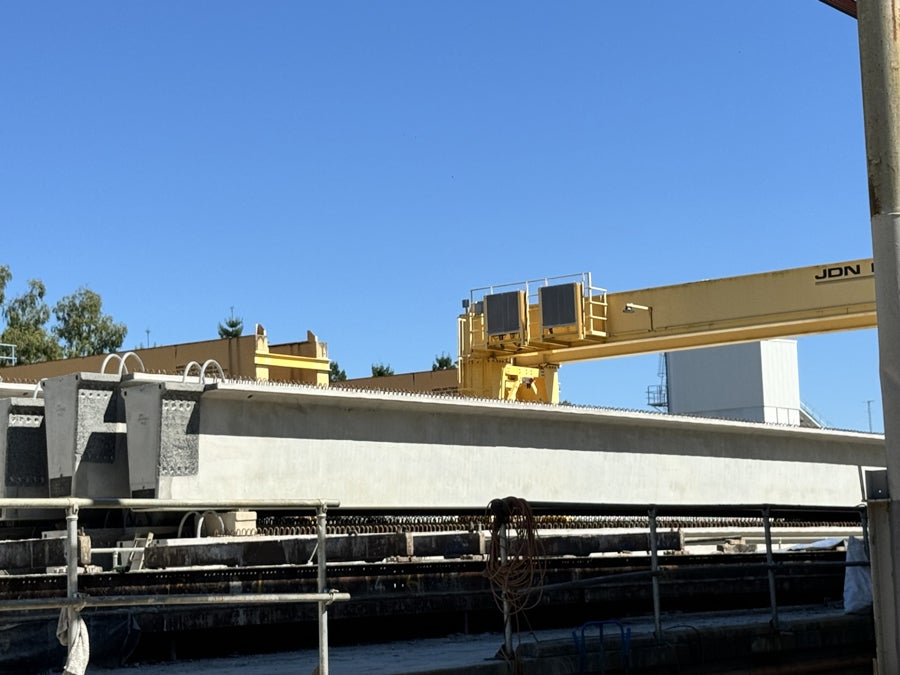
Including UHPC in the upcoming revision of AS 5100 puts Australia among the first nations to build it into bridge design. We need to make sure we capitalise on it.
We have the knowledge, we are writing the standards, we have the suppliers. What is missing is demand from asset owners willing to ask for something different. The market will follow. It just needs to be asked.
Professor Rebecca Gravina is a leading expert in structural engineering, driving the decarbonisation of the built environment through innovations in low-carbon concrete, fibre-reinforced polymers and recycled materials. Professor Gravina is the Transport and Main Roads (TMR) Chair of Structural Engineering, leading a multimillion-dollar program modernising Queensland’s transport network, delivering evidence-based guidance that improves sustainability, resilience and structural reliability through innovative materials and performance-based design. Professor Gravina has recently been elected a Fellow of the Australian Academy of Technological Sciences and Engineering.


